The latest news about the Galaxy S26 trio lineup has started to circulate, and this time the focus is on the world of wireless charging. There’s an interesting upgrade in the Qi protocol, but, as is often the case with technology, there are always details that require a deeper dive.
Wireless Protocol Upgrade: Qi 2.2.1 Ready for the S26 Trio
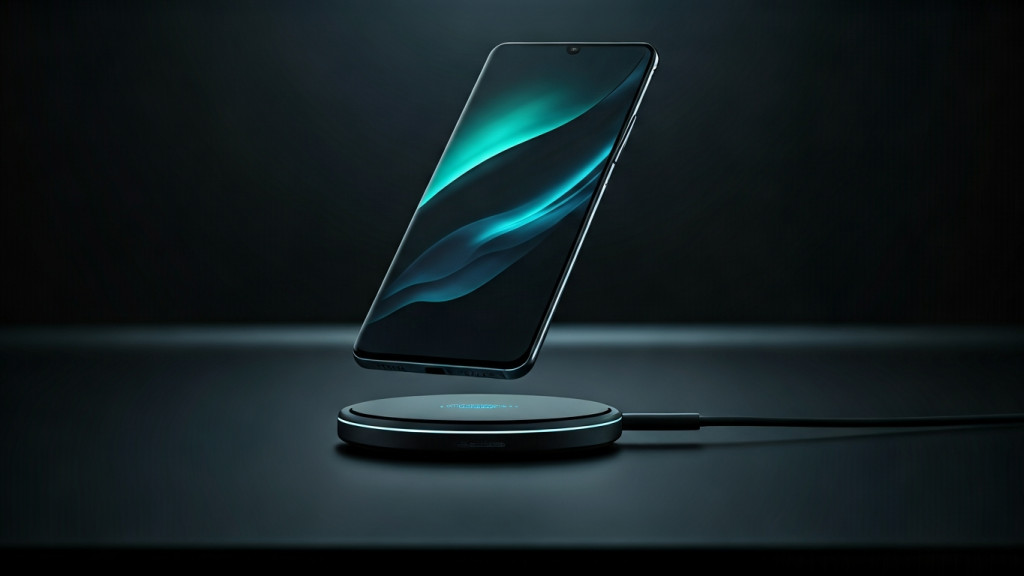
Based on investigations on the Wireless Power Consortium (WPC) website, the three models predicted to be the successors to the Galaxy S25 – namely the Galaxy S26, S26 Plus, and S26 Ultra – will adopt the Qi 2.2.1 wireless charging standard. This isn’t just a new number; this standard unlocks the potential for significant wireless charging speeds, breaking the 20W mark or even faster. This theory aligns with earlier whispers indicating the Galaxy S26 Ultra could reach 25W for wireless charging.
Magnetic Constraint: Qi2 Magnets Won’t Attach Directly
This is where the important ‘footnote’ lies, which might cause some of us to furrow our brows slightly. Although supporting the Qi 2.2.1 standard, these Galaxy S26 trio devices appear to only adhere to the Base Power Profile (BPP), not the Magnetic Power Profile (MPP). What does this mean in simpler terms?
- No Internal Magnetic Integration: The phones will not have magnets embedded within them.
- Limited External Compatibility: This means you won’t be able to directly attach the phone to Qi2 wireless charging accessories that rely on magnets, such as Apple’s MagSafe.
- Case Solution: To enjoy the magnetic benefits of Qi2 accessories, you will need to use a phone case that is compatible with such magnetic systems.
For tech enthusiasts who have started to transition to the increasingly popular magnetic wireless charging ecosystem in the premium segment, this limitation might be a bit disappointing. We look forward to innovations that make this magnetic ‘plug and play’ experience more seamless.
User Focus: More Than Just Wireless Speed?
Interestingly, amidst the euphoria of technical specification speculation, there are user voices reminding us that a larger battery capacity upgrade or ‘game-changer’ innovations in the camera sector might be prioritized over incremental updates to wireless charging speeds. This indicates that the premium market niche, while demanding high performance, also highly values fundamental solutions that enhance the daily experience.
Samsung’s Position in the Premium Market
If we look at the best-selling competitors in the premium segment, both Samsung and Apple currently offer wireless charging speeds in the range of 25W. This raises a philosophical question: is the market truly thirsty for extreme wireless charging speeds, or are there other, more essential factors in purchasing decisions within this segment?
Other Rumored Smartphone Parameters
Beyond the wireless charging issue, there are other leaks worth noting:
- The Ultra model is predicted to receive a screen with more advanced new technology.
- The base model will receive a battery capacity upgrade, addressing one of the primary user aspirations.
With this information, the picture of the key parameters that the Samsung Galaxy S26 trio will bring seems to be taking shape, giving us a glimpse of what we can expect from the successors to Samsung’s flagship line next year.