SAP, or Systems, Applications, and Products in Data Processing, is an enterprise software provider that helps companies manage their business operations. With various modules covering financial management, human resources, logistics, and more, SAP enables companies to integrate and optimize their various business functions. Before the adoption of AI, SAP features focused on business process automation, data analytics, and integrated ERP solutions.
SAP, a leading enterprise software provider, is now integrating Artificial Intelligence (AI) into its products. This step is believed to be able to take businesses to a higher level by utilizing increasingly sophisticated artificial intelligence.
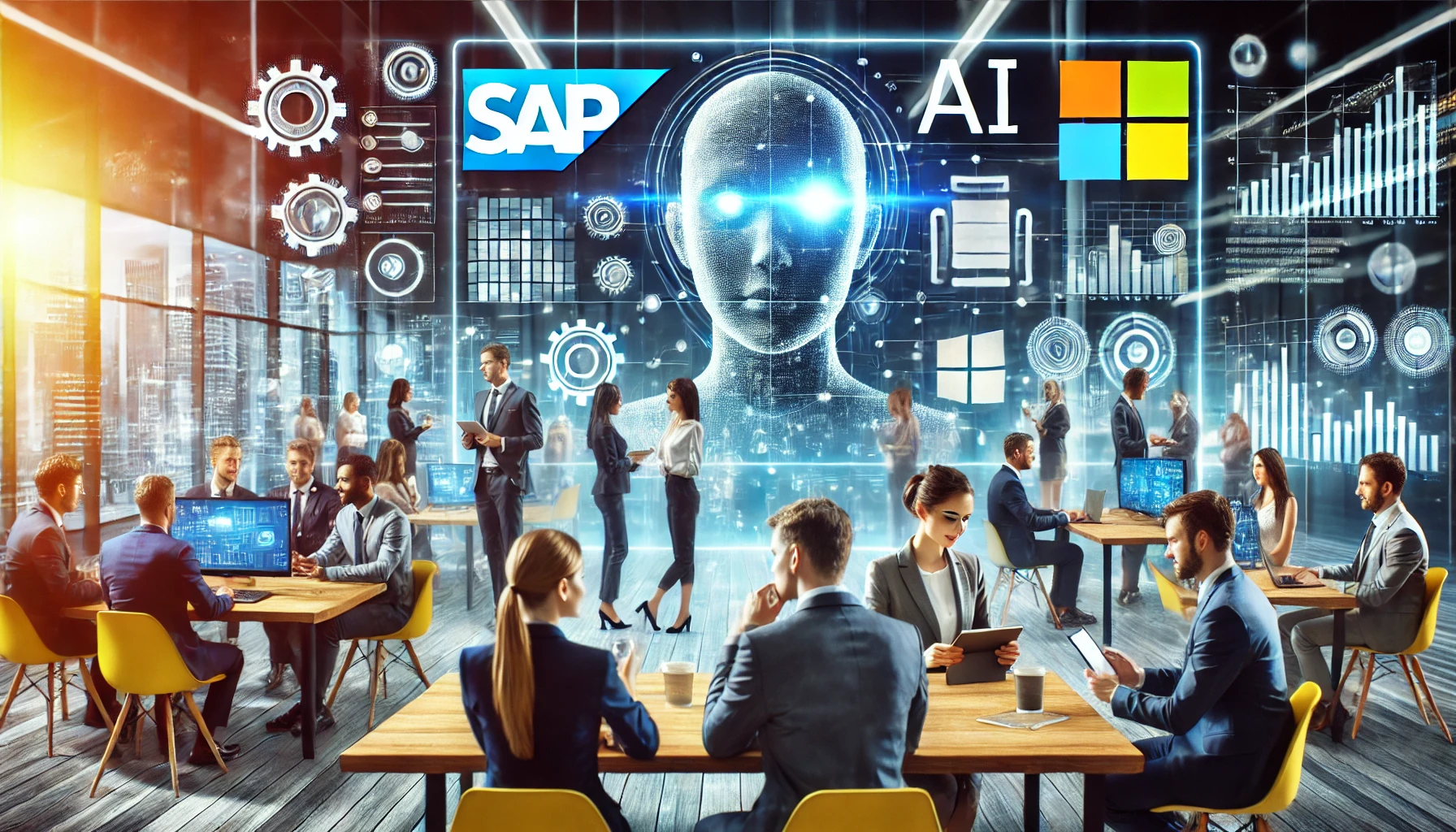
SAP has embedded Business AI throughout its enterprise solutions. At the prestigious Sapphire event, SAP announced ambitious plans to expand the scope of the generative AI copilot, Joule, by integrating it with Microsoft Copilot. This collaboration will provide users with a unified experience, facilitating access to information through seamless interaction between SAP business applications and Microsoft 365.
Before the AI era, SAP was known for its rich features, such as ERP (Enterprise Resource Planning) modules that cover financial management, human resources, logistics, and supply chains. SAP also offers analytical solutions that assist companies in data-driven decision-making. However, with the adoption of AI, SAP’s capabilities have increased rapidly. AI enables deeper analytics, smarter automation, and more intuitive user interaction.
Why is AI so important? SAP realizes that Business AI can improve operational efficiency, reduce errors, and provide deeper insights. Therefore, the company is committed to upholding relevant, reliable, and responsible AI principles. At the Sapphire event, SAP affirmed its commitment by adopting 10 guiding principles from UNESCO’s recommendations on the Ethics of Artificial Intelligence. These principles ensure that AI technology is developed and used in a way that respects human rights, promotes justice, and contributes to sustainable development.
SAP’s collaboration with technology leaders such as AWS, Microsoft, Google Cloud, Meta, Mistral AI, and NVIDIA demonstrates their determination to push the boundaries of generative AI at the enterprise level. By collaborating with these technology giants, SAP ensures that they can leverage the power of AI-ready technology, innovate quickly, and deliver richer results to their users.
Integrating AI into the SAP ecosystem not only makes business processes more efficient but also creates a more personal and proactive user experience. For example, with Joule and Microsoft Copilot, users can easily access important data and information through natural conversations, without having to open many applications or go through many manual steps. This is a real example of how AI can make our lives easier and our work more efficient.
In the larger scheme, SAP’s adoption of AI is part of a broader trend in the technology industry, where companies are trying to integrate advanced technology into their daily operations. Thus, companies that adopt this technology will be better prepared to face future challenges, including rapid market changes and increasingly complex consumer demands.
In conclusion, SAP’s AI integration is a strategic step that not only enhances the capabilities of their software but also provides significant added value for users. By leveraging AI, SAP helps companies become more efficient, responsive, and ready for the future.