Bridging the Gap Between Theory and Industrial Reality
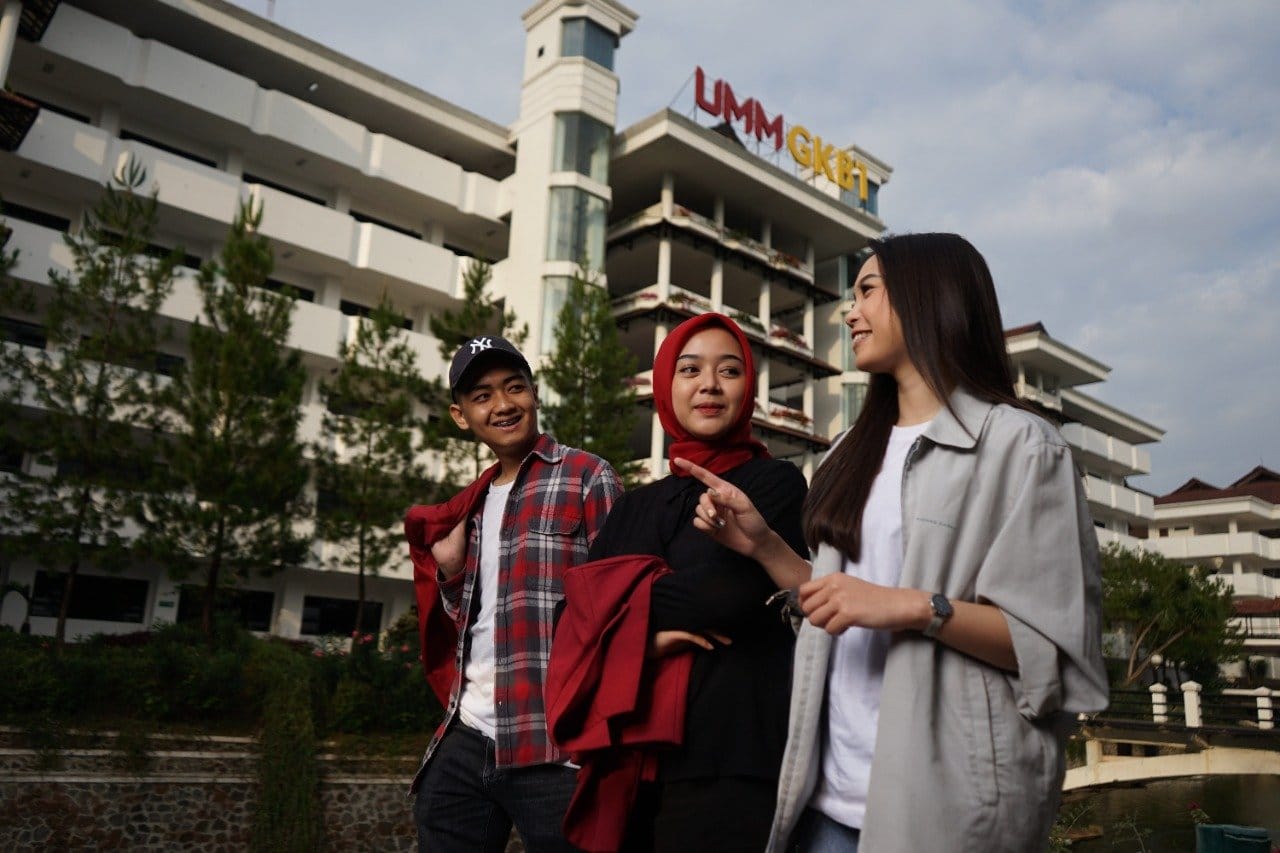
In the midst of a rapidly accelerating industrial revolution, universities are challenged to not only produce academics but also ready-to-go practitioners. This is the spirit embraced by the Electrical Engineering Study Program at Universitas Muhammadiyah Malang (UMM) through its strategic collaboration with the global technology giant, PT Siemens Indonesia. The Guest Lecture and Technology Workshop, held in the AULA GKB 3, 6th floor on Thursday (June 13th), was not merely a ceremony but a significant investment in the competence of students, particularly those who will become the backbone of industry in Malang and its surroundings.
Siemens Modules: A New Weapon in the Hands of Students
As part of the Corporate Social Responsibility (CSR) program of PT Siemens Indonesia, UMM received assistance in the form of Motor Management & Control Device modules. This is not just an ordinary grant; it is a new “weapon” that will equip students with cutting-edge technology. Khusnul Hidayat, ST., MT, Head of the Electrical Engineering Study Program, Faculty of Engineering, UMM, revealed that this collaboration is closely intertwined, and even the facilities in the new UMM Joint Lecture Building (GKB) 5 have adopted the Siemens product distribution panel. This tangible infrastructure connection ensures the relevance of learning.
“We were connected by one of the partners who works with PT Siemens Indonesia. We were brought together and held negotiations regarding their CSR program to donate modules to support student practicums,” explained Khusnul. For the prospective engineers from this City of Education, Siemens modules are like a passport to the real world of work. They no longer learn from simulators alone but interact directly with the exact same devices used in modern factories, from the industrial areas in Singosari to Pasuruan.
Long-Term Commitment: From Workshop to Industry Certification
UMM and Siemens understand that mastering industrial technology cannot be instantaneous. Therefore, this collaboration is designed with a long-term vision. Khusnul explained that there will be a sustainability program in the form of follow-up and short courses to deepen the mastery of module materials, especially for students with industrial automation specialization programs. “Students cannot master the modules in a short time. There will be advanced classes to deepen students’ understanding of the utilization of the modules provided,” he continued. This is a promise to equip students until they are truly ready to adapt to the needs of Industry 4.0.
Curriculum Integration and Practicum Quality Improvement
The advanced modules from Siemens are not just an addition but are integrated with 5-6 core courses in Electrical Engineering, such as electric motors, electronics and power electronics, and programmable logic control (PLC). This ensures holistic and applicative learning, bridging theoretical concepts with practical implementation.
Previously, UMM used more affordable practicum devices to minimize the risk of damage by students. However, Siemens products, although more premium, offer far better protection and durability. “In the laboratory, we usually choose devices with affordable specifications due to the risk of damage by students. However, Siemens products have better protection even though the price is slightly higher,” explained Khusnul. This is a smart investment for the quality and safety of practicums.
Real Impact for Malang Raya and the Future of the Local Industry
The collaboration between UMM and Siemens is an extraordinary catalyst for the industrial and educational ecosystem in Malang Raya. By equipping UMM Electrical Engineering students with direct experience using global industrial standard devices, this university proactively produces highly sought-after, job-ready talents. This is not only about individual careers but also about increasing the competitiveness of the local manufacturing industry in Malang, which increasingly needs reliable engineers with a cutting-edge understanding of automation.
Entrepreneurs in the small to medium manufacturing sector in Malang Raya will feel the impact through the availability of skilled and adaptive human resources. The presence of engineers who master Industry 4.0 technology can help optimize production lines, increase efficiency, and ultimately drive the Malang economy as a whole. This is UMM’s long-term investment in technological and economic independence in the Apple City.
Practitioners as Teachers: Bridging Academics and the World of Work
The importance of this collaboration is strengthened by the presence of guest lecture speakers from Siemens practitioners. This approach is in line with government policies and UMM’s vision, which emphasizes a strong synergy between the academic world and the industrial world. Students not only learn from books but also absorb the experience and direct insights from professionals who face daily challenges and dynamics in the field. This is a surefire recipe for producing engineers who are not only intelligent but also relevant and adaptable to change.