The Best Tips for Protecting Your Phone from Cyberattacks in the Digital Age
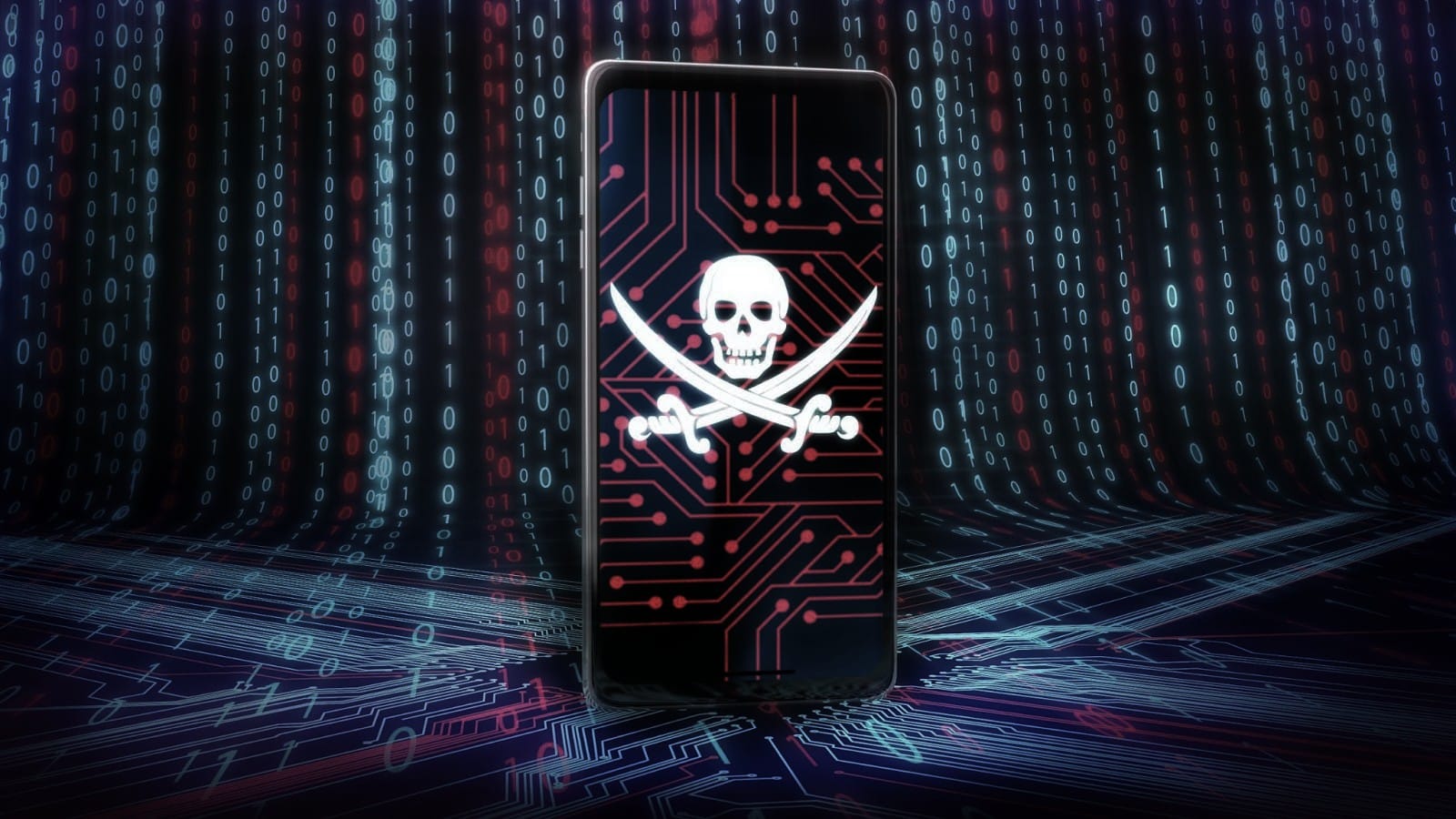
The increasing prevalence of hacking and cyberattacks in the digital age requires all of us to be more vigilant, especially for Android and iPhone smartphone users. Even the National Data Center (PDN/PDNS) of the Indonesian government was once breached by hackers due to negligence. Therefore, phone users must be careful not to have their data or money in their personal accounts stolen by hackers.
Based on reports from the United States National Security Agency (NSA), there are several secret tips to minimize hacking. In the NSA document shared with the public, one of the tips to avoid hacking is not to use Wi-Fi indiscriminately. Here are 10 tips shared by the NSA to prevent your phone from being hijacked and your account being drained:
- Avoid Using Public Wi-Fi
- Use a VPN Connection
- Activate Two-Factor Authentication (2FA)
- Update Software Regularly
- Avoid Downloading Applications from Unofficial Sources
- Use Strong Passwords
- Disable Bluetooth and NFC
- Be Wary of Phishing
- Use Security Applications
- Regularly Back Up Data
Do not connect to insecure public Wi-Fi networks. If possible, disable Wi-Fi when not needed and delete unused Wi-Fi networks from the connection list on your device.
Using a VPN (Virtual Private Network) can help encrypt your data when browsing the internet, especially when using public Wi-Fi networks.
Be sure to activate two-factor authentication on all your important accounts. This provides an additional layer of security by requiring a second identity verification in addition to a password.
Always update the operating system and applications on your smartphone to the latest versions. These updates often include important security fixes that protect your device from the latest threats.
Always download applications from official app stores such as the Google Play Store or Apple App Store. Applications from unofficial sources may contain malware or malicious software.
Use strong and unique passwords for each account. Combine uppercase letters, lowercase letters, numbers, and symbols to increase security.
Turn off Bluetooth and NFC when not in use. This can prevent hackers from accessing your device through these wireless connections.
Do not click on links or attachments in emails or messages from unknown sources. Phishing is a common method used by hackers to steal personal information.
Install trusted security or antivirus applications on your device to detect and remove malware.
Always back up your data regularly. That way, if your device is infected with malware or hacked, you still have a safe copy of your data.
Repiw Conclusion
Digital security is a shared responsibility. By implementing the tips above, you can minimize the risk of hacking and keep your personal data and money safe. Always be vigilant and up-to-date with digital security developments so you don’t become the next victim. Stay safe, stay secure!