
Wearable Tech: Your Constant Companion
Wearable technology, or wearable tech, might sound futuristic, but the reality is, we’re already living in an era where gadgets can be worn just like clothing. Imagine: from smartwatches that monitor your heart rate to VR headsets that plunge you into virtual worlds, this technology is increasingly popular among both younger and older generations. Wearable tech isn’t just cool; it also offers health benefits, convenience, and a more sophisticated lifestyle. But what exactly is wearable tech, and how does it work?
In this article, we’ll delve into what wearable tech is, explore its various types, and see how this technology is transforming the way we interact with the world around us.
What Is Wearable Tech?
Wearable tech refers to electronic devices that can be worn on the body like accessories or clothing. These technologies are designed to connect with other devices (like smartphones or tablets) to provide real-time data or help users interact with their surroundings more effectively. The most common examples of wearable tech include smartwatches, fitness trackers, and AR/VR headsets.
The primary goal of wearable tech is to enhance user comfort, productivity, and health in an easy and intuitive way. With these devices, users can control daily activities, from monitoring health and managing notifications to even unlocking doors with a flick of the wrist.
Types of Wearable Tech
A wide array of wearable tech has rapidly evolved over the past few years. Here are some of the most popular devices and their functions:
- Smartwatches and Fitness Trackers
Smartwatches like Apple Watch or Fitbit are the most common wearable devices. Besides telling time, they can also monitor physical activities such as step count, heart rate, and even stress levels. Some smartwatches even come with health apps that track sleep and offer suggestions to improve a healthy lifestyle. - Augmented Reality Glasses (AR Glasses)
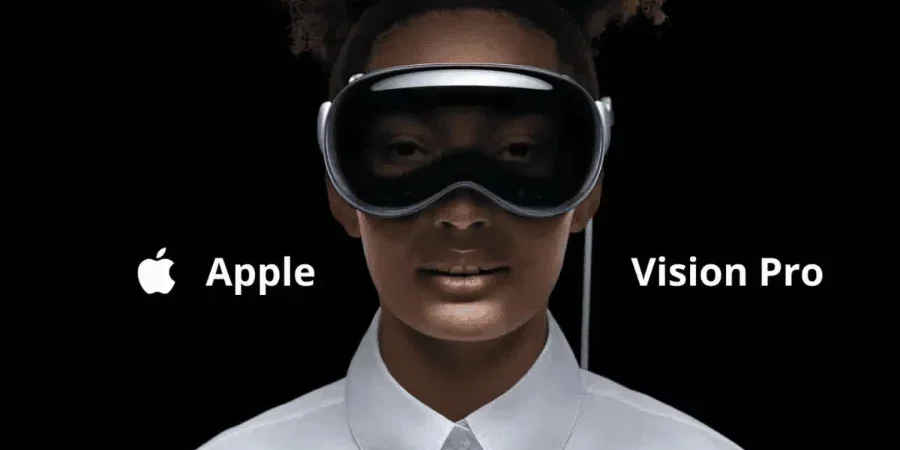
AR technology allows users to see the real world enhanced with digital information. Google Glass and Microsoft HoloLens are examples of AR glasses that blend the real world with visual data on the eyewear display. The applications of this technology are vast, ranging from gaming and interior design to professional training. - Virtual Reality Headsets (VR)
Unlike AR, which overlays digital elements onto the real world, VR headsets like Oculus Rift transport users into a completely virtual world. This technology is highly popular among gamers but is also used for simulation training, education, and entertainment. - Wearable Health Tech
Wearable devices focused on health are not limited to just fitness trackers. There are also smart hearing aids or wearable medical devices that monitor diabetes or abnormal heart rates. This technology enables users to monitor their health in real-time and can even store data for doctors. - Smart Clothing
Smart clothing consists of garments embedded with sensors to monitor physical activity and body conditions. Products like Hexoskin or Nadi X can track body movements, provide feedback on posture, and even monitor breathing and heart rate. This is ideal for athletes or anyone looking to maximize their physical performance.
Benefits of Wearable Tech in Daily Life
Wearable tech devices aren’t just about style or following the latest tech trends. They offer various tangible benefits that can significantly improve your quality of life. Some of these include:
- Health Monitoring
With wearable tech, monitoring your health becomes much easier. For instance, a smartwatch can remind you to move when you’ve been sitting too long or notify you if your heart rate is too high or too low. - Increased Productivity
Thanks to instant notifications on your wrist, you’ll never miss an important message or meeting reminder again. Wearable tech helps manage time more efficiently without constantly checking your phone. - Security
Some wearable devices also enhance security. For example, smartwatches can be used as digital keys to unlock doors or as a security measure for other devices, such as your computer or smartphone. - More Active Lifestyle
Fitness trackers can be excellent motivators. By continuously monitoring physical activity, users can determine if they need to walk more, exercise, or simply be more active. - Easier Interaction with the Digital World
Thanks to technologies like AR glasses, you can see relevant information directly in front of your eyes without having to look at your phone. This helps boost efficiency in many activities, whether you’re working or just out and about.
Challenges and the Future of Wearable Tech
While the benefits are clear, wearable tech still faces challenges. One of the main concerns is data privacy. These devices collect a lot of personal information, from health data to user location, making data security incredibly important.
Additionally, the battery life of wearable devices is often still limited, and the price of some technologies, such as AR glasses or VR headsets, may still be too high for most users.
However, the future of wearable tech looks bright. Developments in artificial intelligence (AI) and machine learning are enabling these devices to become smarter and more useful. In the future, we might see wearable tech that not only monitors health but can also diagnose diseases or provide health advice based on collected data.
Conclusion
Wearable tech has paved a new way for a smarter, healthier, and more connected lifestyle. From smartwatches that monitor daily activities to AR glasses that enhance interaction with the digital world, these devices are an integral part of the technology revolution. If you haven’t tried one yet, now might be the perfect time to join this trend and enjoy its benefits in your daily life.
Have you tried any wearable tech? Share your experiences in the comments section!