Hello, Digital Enthusiasts! Have you ever thought about how the evolution of software design impacts the way we interact with technology every day? From simple interfaces to immersive experiences, UI (User Interface) and UX (User Experience) continue to evolve with technological advancements. In this article, we’ll discuss current and future UI/UX design trends that will shape how we use software. Ready to explore? Let’s dive in!
What Are UI and UX?
Before we delve deeper, let’s first understand what UI and UX truly are.
User Interface (UI)
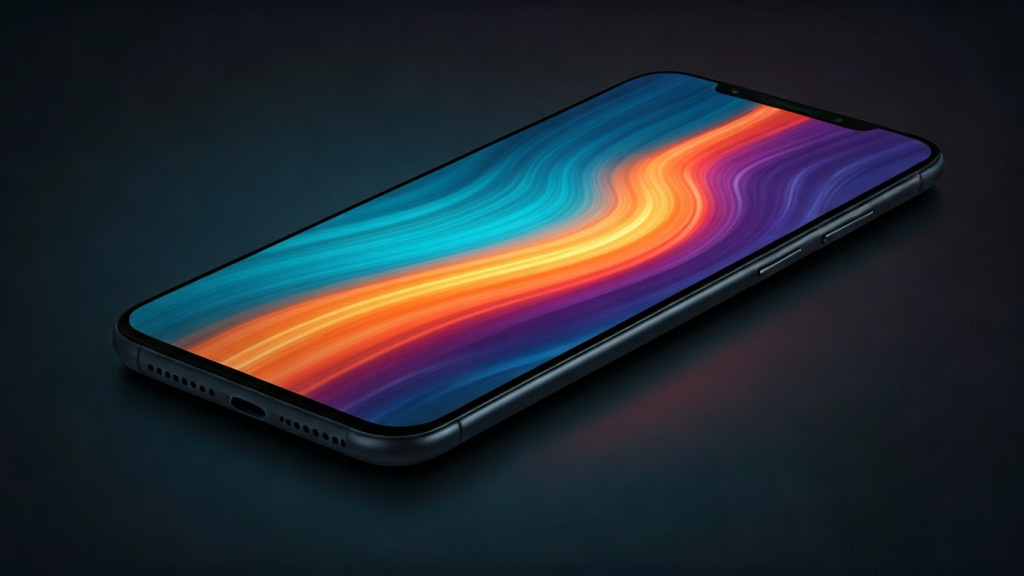
UI is the visual display of a software or application. It encompasses elements such as buttons, icons, menus, typography, and colors that allow users to interact with the product. UI focuses on the aesthetics and clarity of the interface.
User Experience (UX)
UX is the overall experience a user has while interacting with software or an application. It involves ease of use, efficiency, and user satisfaction. UX focuses on user feelings and responses towards the product.
The Evolution of UI/UX Through the Ages
From the era of desktop computers to advanced smartphones, UI/UX design has undergone massive transformations.
Early Computing Era
- Command Line Interface: Users interacted via text commands.
- Challenges: Required high technical knowledge, less user-friendly for the general public.
Graphical Interface Revolution
- GUI (Graphical User Interface): Introduced icons, windows, and menus.
- Impact: Made computers more accessible to a wider audience.
Mobile and Touchscreen
- Responsive Design: Interfaces adapted to various screen sizes.
- Touch Interaction: Gestures like tap, swipe, and pinch became standard.
The Era of Minimalism and Flat Design
- Flat Design: Eliminated 3D elements for a cleaner look.
- Material Design: Introduced shadows and animations for visual depth.
Current UI/UX Design Trends
UI/UX design continues to evolve to meet the needs and preferences of modern users.
- Dark Mode
- Popularity: More and more applications and operating systems offer dark mode.
- Advantages: Reduces eye strain, saves battery on OLED devices, and provides an elegant look.
- Microinteractions
- What It Is?: Small interactions like animations when pressing a button or receiving a notification.
- Function: Enhances engagement and provides direct feedback to users.
- Gesture-Based Design
- Use of Gestures: Replaces physical buttons with gestures like swipe and drag.
- Goal: Makes interaction more natural and intuitive.
- Personalization
- Customized Content: Applications adjust their appearance and features based on user preferences.
- Benefits: Provides a more relevant experience and increases user satisfaction.
- Augmented Reality (AR) Integration
- Use of AR: Combines digital elements with the real world.
- Example: Shopping apps that allow you to virtually try on products.
Future UI/UX Design Trends
The future of UI/UX promises more interactive and immersive experiences.
- Voice and AI Interfaces
- Voice User Interface (VUI): Interaction via voice commands with the help of AI.
- Examples: Virtual assistants like Siri, Google Assistant, and Alexa.
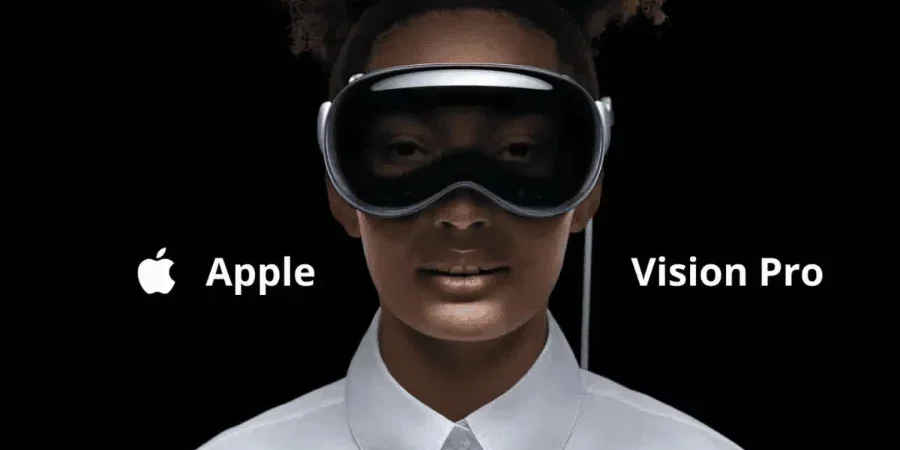
- Virtual Reality (VR) and Mixed Reality (MR)
- Immersive Experience: Users can interact in a fully virtual environment.
- Potential: Use in gaming, education, and creative industries.
- Neumorphism Design
- New Design Style: Combines skeuomorphism and flat design for a realistic look.
- Characteristics: Elements with soft emboss and deboss effects.
- Data-Driven and AI Design
- AI-Driven Design: Utilizes data and AI to dynamically adapt the UI.
- Advantages: Leads to more personal and efficient experiences.
- Focus on Accessibility
- Inclusive Design: Design that considers the needs of various user groups.
- Implementation: Color contrast options, alternative text, and easy navigation.
How Do These Trends Affect Us?
UI/UX trends are not just about aesthetics, but about how technology simplifies our lives.
- Ease of Access: Intuitive interfaces make technology easier for anyone to use.
- Efficiency: Good design boosts productivity and efficiency.
- User Engagement: An enjoyable experience increases user engagement and loyalty.
Tips for Keeping Up with UI/UX Trends
For those interested or involved in the world of design or software development, here are some tips:
- Stay Updated: Follow the latest developments through blogs, webinars, and conferences.
- Learn from Experience: Use various applications and pay attention to their design elements.
- Develop Skills: Learn the latest design tools and build your portfolio.
- Focus on the User: Always prioritize user needs and comfort.
Conclusion
The evolution of UI/UX is an ongoing journey, progressing with technological advancements and changing user needs. Current and future software design trends will increasingly prioritize natural interaction, personalization, and accessibility.
Digital Enthusiasts, ready to be part of the innovative future of UI/UX? Let’s continue to explore and adapt to the latest trends for a better digital experience!
Do you have any other views or predictions about UI/UX trends? Let’s discuss in the comments section!