Computers, both desktops and laptops, have become an indispensable part of our lives. From work and study to entertainment, everything relies on these devices. However, we often forget that computers also need care to stay durable, long-lasting, and responsive. This article will provide a practical guide on how to keep your computer in top shape.
1. Regular Hardware Cleaning
Dust is the primary enemy of computer hardware. Accumulated dust can lead to overheating, which can ultimately damage internal components. Here’s how to safely clean your hardware:
- Turn off your computer and unplug all cables: This is crucial to prevent electrical shock.
- Clean the outer casing: Use a slightly damp microfiber cloth to wipe down the casing. Avoid harsh cleaning solutions.
- Clean the keyboard: Turn the keyboard upside down and gently tap it to dislodge dust and crumbs. Use compressed air to clean between the keys. A small, soft brush can also be helpful.
- Clean the screen: Use a dedicated microfiber cloth for screen cleaning. Avoid pressing too hard on the display.
- Clean inside the desktop tower: Open the desktop tower casing (ensure the computer is off and unplugged from the power source!). Use compressed air to clear dust from the CPU heatsink, graphics card (GPU), RAM, and other components. If you’re unsure, it’s best to seek assistance from a technician.
- Clean your laptop: For laptops, focus on the vents. Use compressed air to clear dust from the ventilation ports. If you feel the need to open your laptop, it’s best to leave it to a professional technician.
2. Effective Software Management
Poorly managed software can significantly slow down your computer. Here are some software management tips:
- Uninstall unused programs: Remove applications you rarely or never use. These programs only consume storage space and burden your system.
- Delete junk files: Accumulated junk files like temporary files, cache, and cookies can slow down your computer. Use Windows’ built-in disk cleanup utility or third-party applications like CCleaner to clear them out.
- Defragment your hard drive (HDD): Defragmentation is the process of reorganizing files on your hard drive to make them more efficient. This can improve HDD performance. However, defragmentation is not necessary for SSDs.
- Run antivirus regularly: Protect your computer from viruses and malware by installing and regularly running antivirus software. Ensure your antivirus is always up-to-date.
- Limit startup programs: Too many programs launching at startup can significantly slow down your boot process. Disable unnecessary programs via Task Manager (Ctrl+Shift+Esc).
- Back up your data regularly: Regularly back up your important data to an external hard drive, cloud storage, or other storage media. This is crucial to prevent data loss in case of computer failure.
3. Regular Driver Updates
Drivers are software that enable your operating system to communicate with your hardware. Outdated drivers can cause performance issues and even hardware damage.
- Check for driver updates regularly: You can check for driver updates through Device Manager in Windows.
- Download drivers from official manufacturer websites: Avoid downloading drivers from unofficial sources, as they may contain malware. Always download drivers from the official websites of your hardware manufacturers (e.g., Intel, NVIDIA, AMD).
- Use driver update applications: Some third-party driver update applications can help you find and install driver updates automatically. However, be cautious when choosing applications, and ensure they are reputable.
4. Monitor Computer Temperature
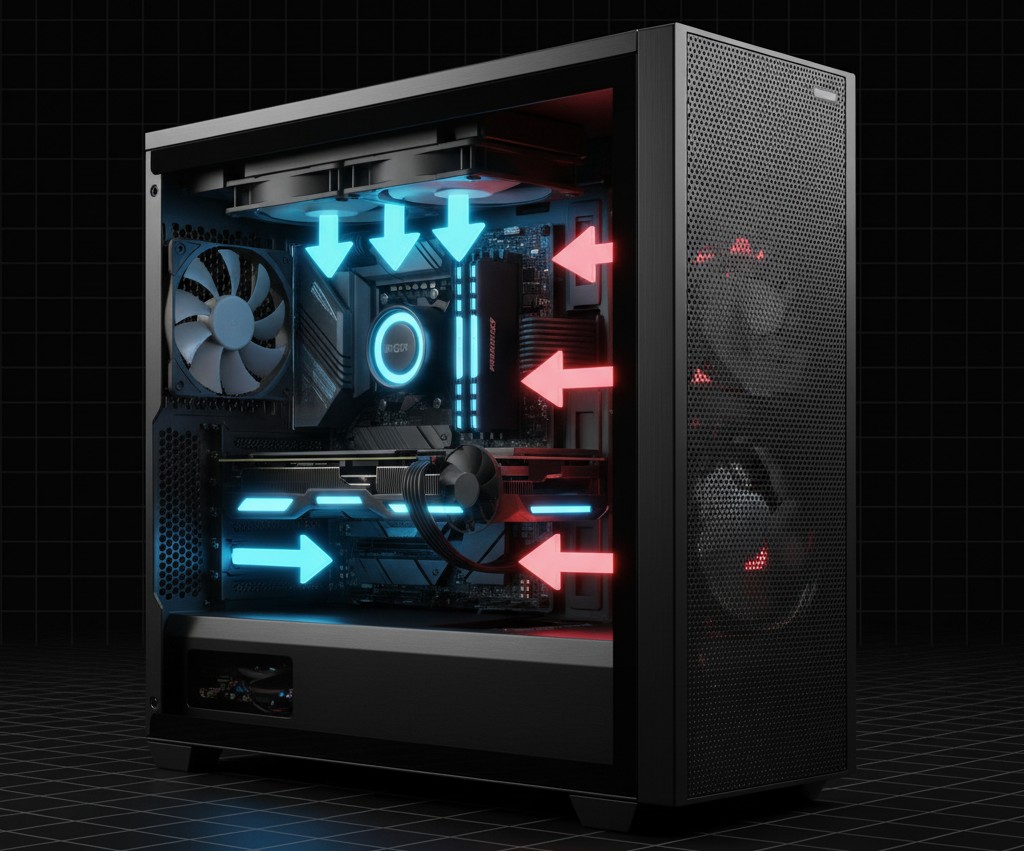
Excessively high temperatures can damage computer components. Regularly monitor your CPU and GPU temperatures. You can use applications like HWMonitor to keep an eye on temps. If temperatures are too high, check your cooling system (fans or liquid cooling) and ensure it’s functioning properly.
5. Consider Hardware Upgrades
If your computer is very old and feeling sluggish, consider a hardware upgrade. For instance, you could add more RAM, replace your hard drive (HDD) with an SSD, or upgrade your graphics card.
Conclusion
Keeping your computer fast and long-lasting doesn’t have to be difficult. By regularly cleaning hardware, effectively managing software, updating drivers periodically, and monitoring computer temperatures, you can extend your computer’s lifespan and maintain optimal performance. Remember, prevention is better than cure. Regular computer maintenance can help you avoid bigger problems and save money in the long run.