
Ecosystem Comparison: Apple vs. Google vs. Microsoft from a User Perspective
In today’s modern tech world, “ecosystem” is a key term defining how devices and services interconnect to create a seamless user experience. The three largest ecosystems currently—Apple, Google, and Microsoft—have each built networks of devices and services with their own distinct advantages. But how do these three tech giants shape their users’ daily experiences? In this article, we’ll delve into a comparison of the Apple, Google, and Microsoft ecosystems from a user’s point of view.
1. Apple Ecosystem: Total Integration with a Premium Touch
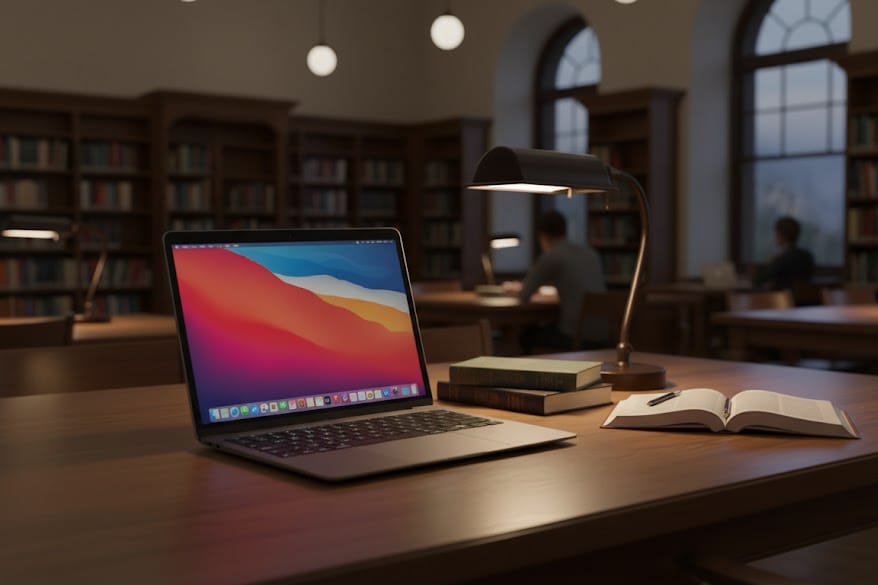
Apple is renowned for its closed ecosystem approach. Products like the iPhone, Mac, iPad, Apple Watch, and Apple TV are all tightly interconnected. For users who own multiple Apple products, the integration between devices feels incredibly smooth and convenient. From AirDrop, which allows quick file sharing between Apple devices, to Handoff, which makes it easy to switch from one device to another without losing your work.
The primary advantage of the Apple ecosystem is its high reliability and security. Because all products are controlled by Apple, they can ensure that software and hardware work in harmony without compatibility issues. However, there’s also a downside: users often feel “locked in” to the Apple ecosystem. Many third-party apps and services are limited, and users must fully invest in Apple products to experience the maximum benefits of its ecosystem.
Pros:
- Excellent device integration.
- Consistent and seamless user experience.
- Strong focus on privacy and security.
Cons:
- Limited flexibility with non-Apple applications and devices.
- Relatively expensive product prices.
2. Google Ecosystem: Flexibility Through Openness
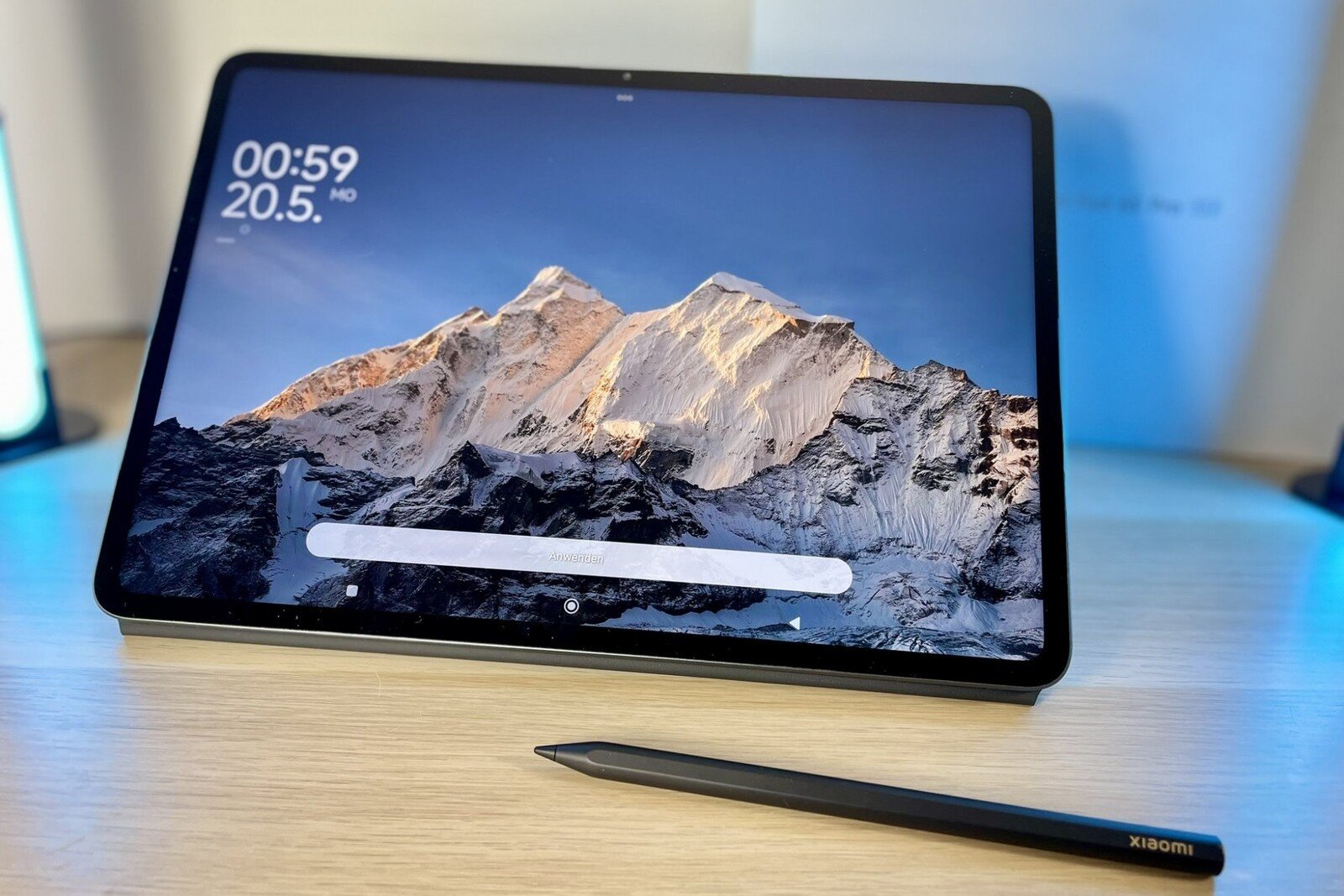
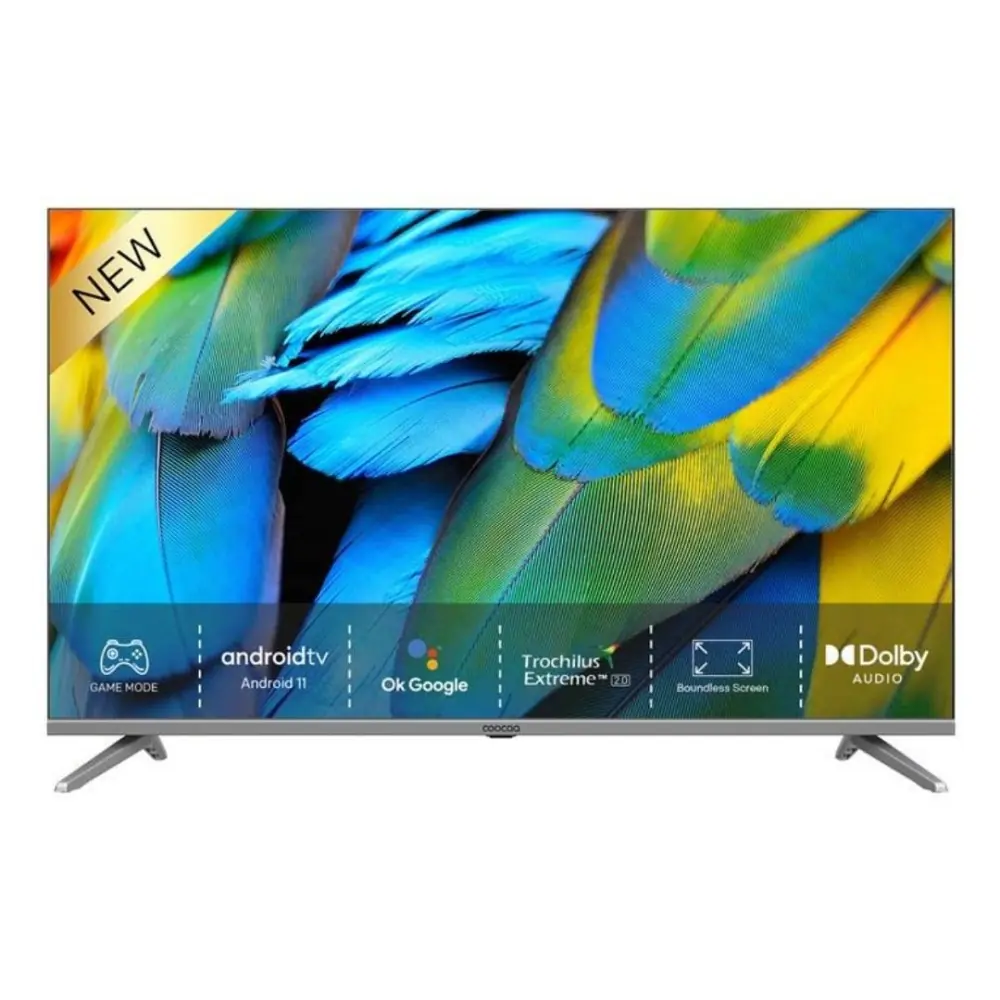
Google takes a vastly different approach with its open ecosystem. Android, as the mobile operating system, is at the core of Google’s ecosystem and can be found on a wide range of devices from various manufacturers. This offers high flexibility for users, who can choose devices according to their needs and budget, whether it’s a smartphone, tablet, or smart TV that supports Google Assistant.
Google also excels in cloud-based services like Google Drive, Google Photos, and Google Workspace, making it easy for users to store and access data from anywhere. All these services are linked to a Google account, which can be accessed across various devices, even on other operating systems like iOS or Windows.
However, due to the openness of this ecosystem, there are challenges regarding user experience, which can sometimes be inconsistent, especially across devices made by different manufacturers. Additionally, while Google offers privacy features, user data often serves as a primary asset used for targeted advertising.
Pros:
- Device and price flexibility.
- Robust cloud integration.
- Services available across multiple platforms.
Cons:
- User experience is not always consistent.
- Use of data for advertising raises privacy concerns.
3. Microsoft Ecosystem: A Focus on Productivity
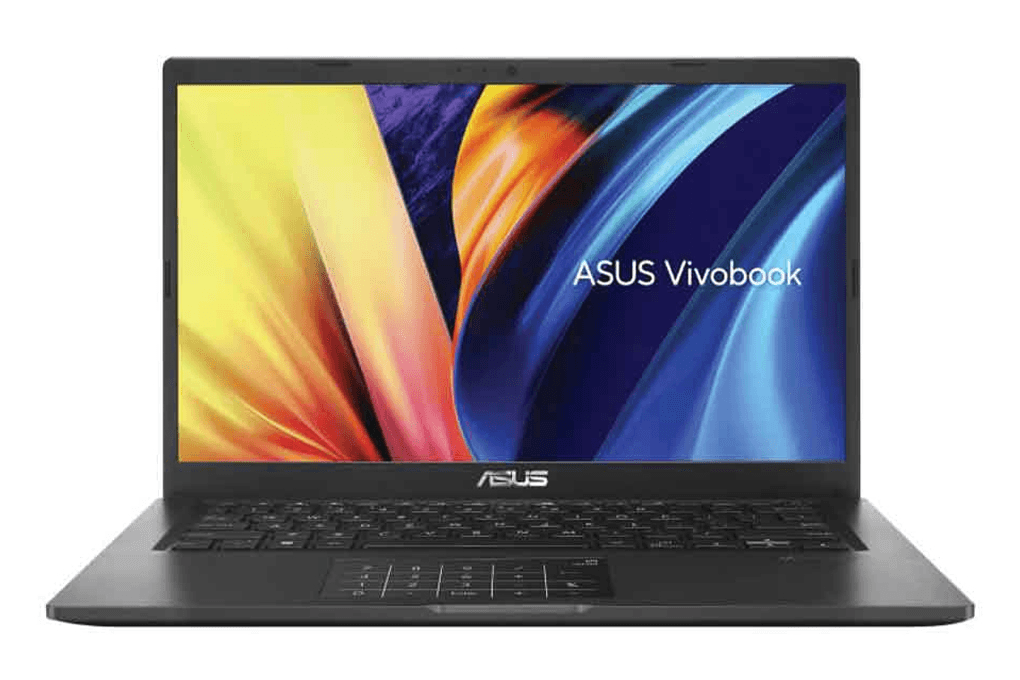
Microsoft may be best known as a provider of software and productivity services, but in recent years, the Microsoft ecosystem has expanded significantly. Windows remains the backbone of this ecosystem, with Surface as its flagship device. Microsoft users also benefit from cloud services like OneDrive, Office 365, and Microsoft Teams, which are now standard work tools in many organizations.
The main strength of the Microsoft ecosystem is its ability to support productivity needs. For users who frequently work with documents, spreadsheets, or presentations, this ecosystem feels highly efficient. The integration between Windows, Office, and cloud services makes work collaboration easier, especially with features like OneDrive, which allows real-time document synchronization across various devices.
However, the Microsoft ecosystem isn’t as strong as Apple or Google when it comes to mobile devices. Windows Phone failed in the market, and although Microsoft apps are available on Android and iOS, users looking for the best mobile experience might feel limited.
Pros:
- Powerful and collaborative productivity tools.
- Tight integration with business software.
- Reliable cloud services.
Cons:
- Lack of strong mobile support.
- Lacks strength in entertainment or media consumption devices.
Final Comparison: Which One is Best for You?
All three ecosystems offer their own strengths and weaknesses. If you desire perfect integration between devices with high security, Apple is the best choice, although you’ll need to invest heavily in its products. If you’re looking for flexibility and robust cloud services, Google is an ideal option, especially for those who use various devices from different manufacturers. Meanwhile, Microsoft excels in productivity and collaboration, perfect for users focused on work and business.
Review Conclusion
Ultimately, choosing the best ecosystem depends on your needs and preferences. No ecosystem is perfect, but Apple, Google, and Microsoft offer unique features that can align with your lifestyle and activities. So, which one is right for you? Don’t hesitate to explore these ecosystems before making a big decision.