
Your Needs-Based Laptop Buying Guide: Work, Editing, Gaming, & School
Choosing a new laptop can be a daunting task. With so many options flooding the market—from brands and specs to price points—how can we be sure we’re getting the right one for our needs? This article is your comprehensive guide to help you pick the best laptop, tailored to your specific requirements, whether for work, editing, gaming, or school.
- Understanding Your Needs:The first step before buying a laptop is to clearly understand what you’ll be using it for. Will you be using your laptop for:
- Work: Typing documents, creating presentations, browsing the internet, and running office applications?
- Editing (Photo & Video): Editing high-resolution photos or long-form videos?
- Gaming: Playing demanding games with high-fidelity graphics?
- School/University: Writing assignments, conducting research, attending online classes, and perhaps tackling light projects?
Once you’ve pinpointed your needs, you can start considering the essential features your new laptop should have.
- Decisive Features and Recommendations:Here are some crucial features to consider when choosing a laptop, customized to your specific needs:
- Processor (CPU):
- Work & School: An Intel Core i3 or AMD Ryzen 3 is generally sufficient for basic tasks. If you frequently use demanding office applications or multitask heavily, consider an Intel Core i5 or AMD Ryzen 5.
- Editing: Intel Core i5, i7, or AMD Ryzen 5, Ryzen 7 are highly recommended. More cores and threads mean your laptop will process data faster.
- Gaming: Intel Core i5, i7, i9 or AMD Ryzen 5, Ryzen 7, Ryzen 9 are the top choices. Also, pay attention to the processor’s clock speed.
- Memory (RAM):
- Work & School: A minimum of 8GB RAM. If you often open many browser tabs or run multiple applications simultaneously, 16GB will be better.
- Editing: A minimum of 16GB RAM. 32GB or more is highly recommended for 4K video editing or large projects.
- Gaming: A minimum of 8GB RAM, but 16GB is the ideal standard for a smooth gaming experience.
- Storage:
- Work & School: A minimum 256GB SSD (Solid State Drive). SSDs are significantly faster than HDDs (Hard Disk Drives), making your laptop more responsive.
- Editing: A minimum 512GB SSD, or even 1TB if you frequently work with large files.
- Gaming: A minimum 512GB SSD. Also, consider adding an additional HDD for storing games you don’t play as often.
- Graphics Card (GPU):
- Work & School: Integrated graphics are sufficient for basic tasks.
- Editing: A discrete (dedicated) graphics card from NVIDIA (GeForce) or AMD (Radeon) is crucial. Choose one with ample VRAM (Video RAM), a minimum of 4GB.
- Gaming: A discrete graphics card from NVIDIA (GeForce RTX or GTX) or AMD (Radeon RX) is essential. The higher the graphics card series, the better its performance.
- Display:
- Work & School: A 13-15 inch screen with Full HD (1920×1080) resolution is usually sufficient.
- Editing: A 15-inch or larger screen with at least Full HD (1920×1080) resolution. Also, consider displays with a wide color gamut (e.g., 100% sRGB or Adobe RGB) for better color accuracy.
- Gaming: A 15-inch or larger screen with Full HD (1920×1080) or QHD (2560×1440) resolution. Also, consider a high refresh rate (120Hz or 144Hz) for a smoother gaming experience.
- Battery: Consider battery life if you frequently work or study away from home.
- Ports: Ensure the laptop has the ports you need, such as USB, HDMI, and an SD card slot.
- Processor (CPU):
- Tips for Comparing Laptops:
- Check Online Reviews: Read reviews from trusted sources to get information on the performance, quality, and reliability of the laptops you’re considering.
- Compare Prices: Compare prices across various online and offline stores to find the best deals. Take advantage of frequent promotions and discounts.
- Check Warranty: Ensure the laptop you buy has a sufficiently long warranty and is backed by good after-sales service.
- Try It Out: If possible, try out the laptop you’re considering in a store. Get a feel for the keyboard, touchpad, and screen quality.
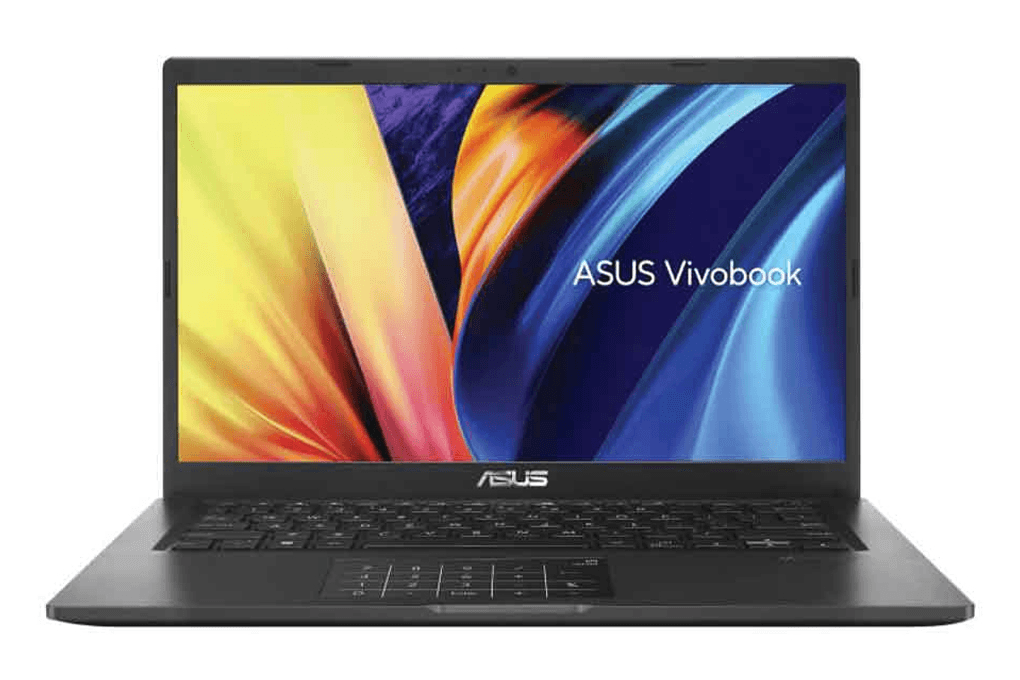
- Consider Brands: Brands like ASUS, Lenovo, Acer, HP, Dell, and Apple offer a wide range of laptops with varying prices and features. Do your research to find which brand best suits your needs.
- Sample Laptop Recommendations:
- Work & School (Budget): ASUS Chromebook, Lenovo IdeaPad Slim 3
- Work & School (Mid-Range): Acer Swift 3, HP Pavilion 14
- Editing: MacBook Pro, ASUS ROG Zephyrus, Dell XPS 15
- Gaming: ASUS ROG Strix, Lenovo Legion, Acer Predator Helios
Conclusion:
Choosing the right laptop is a significant investment. By understanding your needs, considering crucial features, and conducting thorough research, you can find the perfect laptop to boost your productivity, creativity, and entertainment experience. Don’t rush your decision, and always prioritize your needs above all else. Happy laptop hunting!