Virtual Reality (VR) and Augmented Reality (AR) are no longer science fiction; they are transformative technologies that are gradually merging with our digital lives. While often mentioned together, they offer very different experiences. Understanding the differences, how they work, and the potential of each is key to seeing where the future of spatial computing is headed.
Virtual Reality (VR): Entering a Fully Digital World
What is VR? VR is a technology that replaces your real world with a fully immersive digital environment. When you wear a VR headset, you are “transported” to a virtual world. Your vision and hearing are completely isolated from your surroundings, creating a strong sense of presence within that digital world.
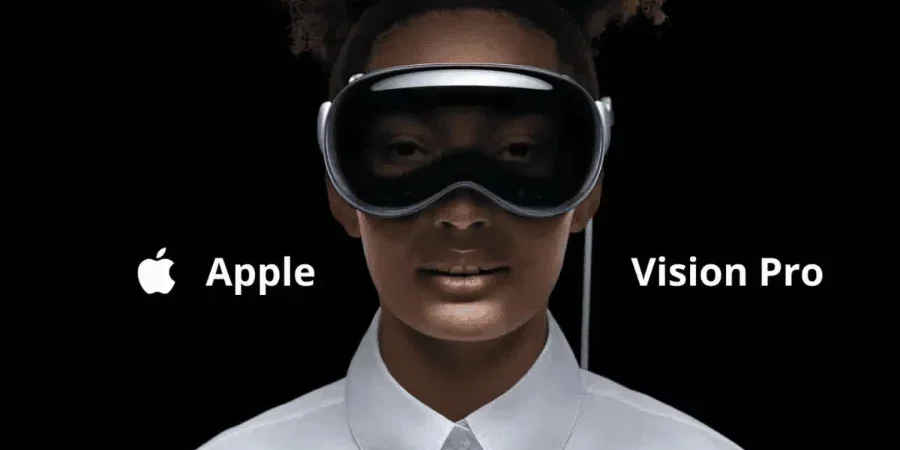
How Does it Work? VR headsets like the Meta Quest 3 or Apple Vision Pro use high-resolution displays in front of each eye to create a stereoscopic depth perception. Motion tracking sensors (such as accelerometers and gyroscopes) inside the headset track your head movements, so when you turn your head in the real world, your view in the virtual world also changes in real-time. Handheld controllers allow you to interact with objects within the virtual environment.
Examples of Use:
- Gaming: This is the most popular use case for VR, offering a far more immersive gaming experience.
- Simulations & Training: Pilots, surgeons, and technicians use VR to practice in safe and realistic environments.
- Social & Entertainment: Watching concerts, movies, or simply gathering with friends in avatar form on VR social platforms like VRChat.
Augmented Reality (AR): Overlaying the Real World with Digital Information
What is AR? Unlike VR, AR does not replace your real world. Instead, it “augments” or overlays digital objects and information on your view of the real world. You remain fully aware of your surroundings.
How Does it Work? AR can be experienced through various devices. The most common is through a smartphone camera (as in the Pokémon GO game or Instagram filters). However, the most advanced form of AR is through smart glasses like Ray-Ban Meta Smart Glasses or, at a higher level, the Apple Vision Pro in its passthrough mode. These devices use cameras to capture the real world and then project digital graphics onto lenses or transparent displays in front of your eyes.
Examples of Use:
- Navigation: Seeing real-time direction arrows on the road you are walking through via Google Maps Live View.
- Shopping: Using the IKEA Place app to see how a piece of furniture will look in your room before you buy it.
- Industry & Repair: A technician can view repair manuals or diagrams overlaid directly on the machine they are working on.
- Education: Medical students can see 3D anatomical models floating above their desks.
The Future: Convergence Towards Mixed Reality (MR)
The future of both of these technologies lies in their convergence, often referred to as Mixed Reality (MR) or Extended Reality (XR). Devices like the Apple Vision Pro are the forerunners of this vision. They are capable of seamlessly switching between fully environment-aware AR experiences and fully immersive VR experiences. Imagine working with multiple virtual screens floating in your room (AR), then with the turn of a button, your room’s walls dissolve and you are on a mountaintop for a meditation session (VR). This is the future of immersive computing that we are heading towards, where the boundaries between the physical and digital worlds will become increasingly blurred.