
Sparkling Laptop, Blazing Performance: The Tech Savvy’s Secret to DIY Cleaning at Home!
In today’s digital era, a laptop is more than just a tool. It’s a window to the world, a mobile office, a personal library, and even a faithful companion for unwinding. But have you ever felt your beloved laptop starting to feel sluggish, hot, or even making strange noises? Most likely, the culprit is accumulated dust, dirt, and bacteria. Don’t panic! Maintaining your laptop’s cleanliness isn’t as difficult as you might think. With a few tricks and easily found materials, you can make your laptop sparkle again and boost its performance, without the hassle of queuing at a service center.
Written by Boogeng, who has been working with and maintaining his own laptops since they were as thick as a complete Indonesian dictionary published by Balai Pustaka. This experience proves that simple yet regular maintenance is the key to keeping a laptop in prime condition. “Before I started cleaning my laptop regularly, I had to go to the Service Center almost every six months, just to clean up junk files that were slowing it down!” said a repiw.com reader who found this tips and tricks article very helpful.
Laptop manufacturers now always remind their product owners to take preventive measures like cleaning to prevent severe damage and to stop the queues at Service Centers from getting longer. Instead of waiting for your laptop to suffer serious damage and wasting time and money, let’s prevent it early!
Why is Laptop Hygiene Important? It’s More Than Just Aesthetics!
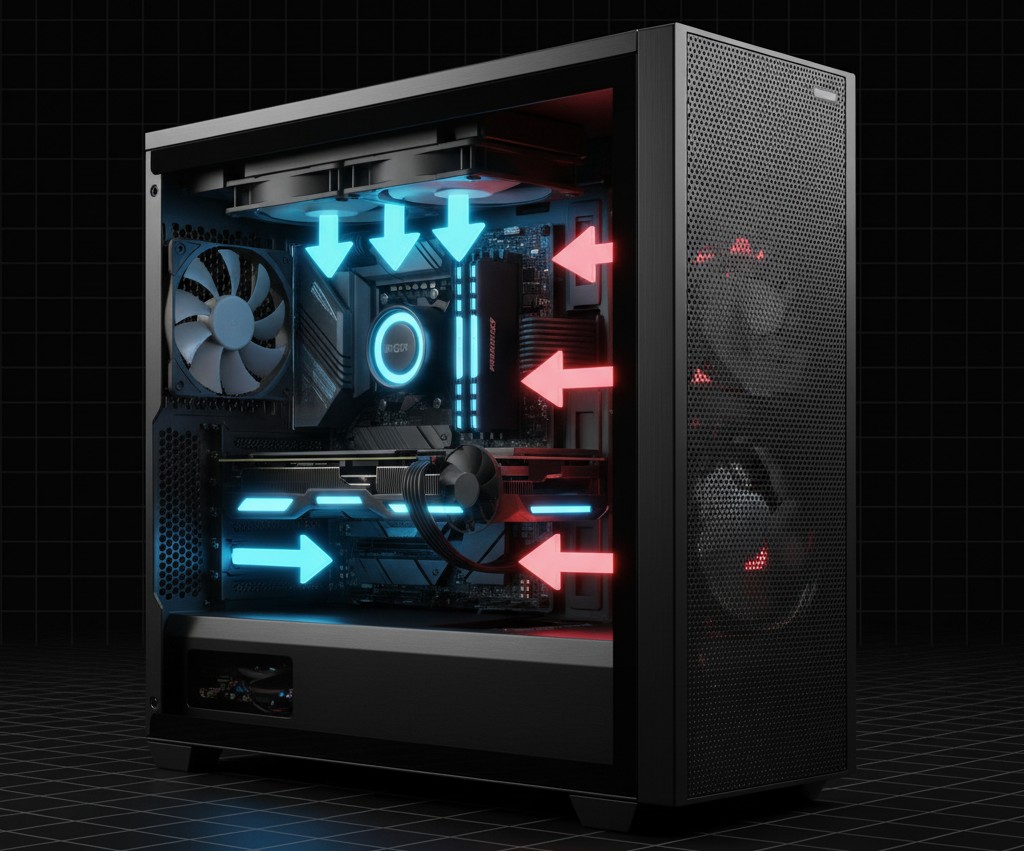
The buildup of dust and dirt on a laptop doesn’t just mar its appearance. More importantly, it’s the primary enemy of your laptop’s performance and durability. Dust that accumulates inside, especially on the cooling fan and heatsink, will obstruct air circulation. The result? The laptop heats up quickly (overheating). Consistently high temperatures can:
- Slow Down Performance: Electronic components will run slower to prevent heat damage.
- Shorten Component Lifespan: Excessive heat is the main enemy of electronic components, accelerating performance degradation and even causing permanent damage.
- Cause Lag and Freezing: Drastically reduced performance makes activities like typing, opening applications, or even gaming uncomfortable.
- Increase the Risk of Damage: In the worst-case scenario, overheating can cause permanent damage to the motherboard or other vital components.
Not to mention the bacteria and germs that can harbor on the keyboard and screen from frequent touching. Cleaning your laptop regularly is a long-term investment to keep your beloved device durable and performing optimally.
Initial Steps: Building Clean Habits (The Laptop’s Exterior)
Let’s start with the parts that we touch most often. Cleaning the exterior of the laptop is relatively easy and can be done regularly, even daily if needed.
- A Clear Screen for Comfortable ViewingThe laptop screen is your window. Dust and fingerprints are certainly distracting. But, be careful when cleaning it!
- Avoid Harmful Liquids: Never use cleaning fluids based on alcohol, ammonia, or regular glass cleaner. These substances can damage the screen’s protective layer (anti-glare coating) and leave permanent stains.
- The Right Solution: Use a slightly dampened microfiber cloth (which is soft and doesn’t leave lint). The best options are distilled water or a special laptop screen cleaning fluid widely available at computer stores.
- Cleaning Technique: Wipe the screen with gentle motions, either circular or horizontal, to remove stains and fingerprints. Make sure the cloth is not too wet, just damp.
- Dry It Perfectly: After cleaning, use a dry part of the microfiber cloth to ensure the screen is completely dry before turning the laptop back on.
- Keyboard and Touchpad: Free of Crumbs and Germs!This is the area most vulnerable to food spills, crumbs, and dirt. Here’s how to clean it:
- Compressed Air: A must-have tool! Tilt your laptop (about 75 degrees) and spray compressed air between the keyboard keys. This will blow out any trapped dust, breadcrumbs, or other debris. Do it from a safe distance.
- Stubborn Stains: If there are tough stains, use a cotton swab dipped in a very small amount of low-concentration isopropyl alcohol (IPA) (around 70%). Gently rub the stained area. Make sure the cotton swab is not too wet, so the liquid doesn’t seep under the keys.
- Touchpad and Surrounding Area: Wipe with a slightly damp microfiber cloth. Avoid pressing too hard on the touchpad area.
- Outer Casing and Ports: Keeping it Tidy and FunctionalDon’t forget the outside of your laptop. A clean casing surface adds to the comfort of use.
- Cleaning the Casing: Use a microfiber cloth slightly dampened with mild soapy water or a multi-purpose cleaner that is safe for electronics. Wipe the entire surface of the casing. Again, avoid spraying liquid directly onto the laptop.
- Vital Ports: Ports like USB, HDMI, audio jacks, and SD card slots are favorite gathering spots for dust. Use compressed air to blow the dust out of these ports. If necessary, use a very soft, fine brush (like a new baby toothbrush) to lift any stuck-on dust from the port openings. This is important to ensure cable connections are not obstructed.
Diving into the Laptop’s Internals: Advanced Maintenance (The Interior)
Cleaning the inside of a laptop does require a bit more courage and caution. However, its impact on performance is very significant. This is where dust can truly make your laptop ‘sick’.
- Cooling Fan and Vents: The Heart of the Cooling SystemThe cooling fan and ventilation channels are crucial components for preventing overheating. Dust buildup here is like a blockage that makes the laptop work extra hard.
- Initial Preparation: Make sure the laptop is completely shut down (not just in sleep mode) and unplug the charger. Also, turn off the main power switch if there is one.
- Using the Compressed Air Method: Locate your laptop’s air vents. Direct the compressed air spray towards the fan and ventilation holes. Do this from a safe distance and don’t spray for too long to avoid damaging the fan’s rotation.
- Opening the Back Casing (If You’re Brave and Confident): If you feel comfortable and are familiar with your laptop model, opening the back casing can be a more effective method. Use a suitable screwdriver (usually a small Phillips-head). Once the casing is open, you will see the fan and heatsink. Use a fine brush or a small brush to gently clean off the attached dust. Then, use compressed air to blow away the dislodged dust.
- Important! Avoid Direct Contact: NEVER touch electronic components (like the motherboard, memory chips, or the fan) directly with your bare fingers. Natural oils and static electricity from your body can damage these components.
- When to Leave it to a Professional: If you are not at all confident or are afraid of making a mistake, it is highly recommended to take your laptop to a professional technician. They have the right tools and expertise to clean the inside of your laptop safely.
- Thermal Paste: The Secret to a Cool LaptopThermal paste is a compound applied between the CPU/GPU and the heatsink. Its function is to transfer heat from the chip to the heatsink. Over time, thermal paste can dry out and lose its effectiveness, causing component temperatures to soar.
- When Does It Need Replacing? If your laptop is more than 2-3 years old and frequently overheats even after being cleaned, it’s likely that its thermal paste needs to be replaced.
- The Replacement Process: Replacing thermal paste usually involves removing the heatsink and cleaning off the old paste residue before applying new paste. This is a more technical job and is highly recommended to be done by an experienced technician. A mistake in applying or reinstalling the heatsink can be fatal.
More Than Just Physical: Maintaining Your Laptop’s ‘Internal’ Health
Laptop cleanliness isn’t just about physical dust and dirt. The ‘health’ of your operating system and data is also crucial for maintaining smooth performance.
- Disk Cleanup: Deleting Digital JunkTemporary files, browser cache, and unused downloads can accumulate and take up storage space, even slowing down data access.
- Windows: Use the built-in ‘Disk Cleanup’ feature. Search for it in the Start Menu, run it, and select the drive you want to clean. Check the items you want to delete (such as Temporary files, Recycle Bin, etc.).
- macOS: macOS has a more automated storage management system. However, you can still delete unused applications, clean the Downloads folder, and optimize storage via ‘About This Mac’ > ‘Storage’ > ‘Manage’.
- Third-Party Applications: There are many free and paid disk cleaning applications that can help, but use them wisely and ensure they are from a trusted source.
- The War Against Malware and VirusesViruses, malware, and spyware are digital parasites that can steal data, damage the system, and, of course, make your laptop incredibly slow.
- Trusted Antivirus: Install a reputable antivirus (e.g., Bitdefender, Kaspersky, Norton, Avast, or Windows Defender, which is very good in the latest versions of Windows) and make sure it is always updated.
- Regular Scans: Schedule a full scan at least once a week.
- Beware of Phishing: Do not carelessly click on links or open attachments from suspicious emails.
- Updates are the Key to StrengthOutdated operating systems and drivers often have security holes and bugs that can affect performance.
- Update the Operating System: Enable automatic updates for Windows or macOS to ensure you always get the latest security patches and performance improvements.
- Update Drivers: Drivers are the ‘language’ between hardware and software. Ensure that your graphics card, audio, network, and other drivers are always updated, especially if you are a gamer or a creative professional who needs maximum performance. This can be done through Device Manager (Windows) or system updates (macOS).
The Ideal Laptop Maintenance Schedule
To keep your laptop in prime condition, follow this maintenance schedule:
- Daily/Weekly: Wipe the screen and keyboard with a dry or slightly damp microfiber cloth. Clean off fingerprints.
- Every 1-2 Months: Use compressed air to clean dust from the keyboard and vents. Perform a light disk cleanup.
- Every 3-6 Months: Perform a thorough cleaning of the laptop’s exterior, including the ports. Do a deep disk cleanup and a full antivirus scan.
- Every 1-2 Years (or if overheat symptoms appear): Consider cleaning the inside of the laptop (fan and heatsink). If overheating is severe, consider replacing the thermal paste (done by a professional).
With a regular cleaning routine, your beloved laptop will not only look more beautiful but will also deliver its best performance, work more stably, and most importantly, have a longer lifespan. Spend a little time taking care of it, and your laptop will thank you with satisfying performance. Happy cleaning!