In this hyper-connected digital age, feeling watched online is a reality. From ads tracking your every move to potential privacy leaks on public Wi-Fi, maintaining anonymity is no longer an option, but a necessity. But don’t worry, you don’t need to be an IT expert to navigate it.
- Online anonymity means reducing your digital footprint, not becoming an invisible ghost.
- Tracking occurs through IP Addresses, Cookies, and sophisticated techniques like Browser Fingerprinting.
- Incognito Browsing mode, account optimization, and caution when clicking links are easy first steps.
- Avoid risky free proxies; VPNs like Planet VPN offer a simple and effective solution.
- Speed, a no-logs policy, and ease of use are key to choosing the right VPN.
- Download Planet VPN only from its official website (freevpnplanet.com) for maximum security.
Why Online Anonymity is Crucial in the 21st Century
We live in an era where every click, every search, leaves a trace. From tech giants collecting data for personalized ads to internet service providers who can see your activity, digital privacy has become a rare commodity. This guide is here to equip you with the knowledge and tools you need, without overwhelming you with complex technical jargon. The goal is clear: to enable you to browse the internet more freely and securely.
It’s important to understand that ‘anonymous’ here refers more to the effort of reducing your digital footprint exposure, rather than disappearing completely from the radar. It’s about minimizing the data that can be collected about you, making it harder to build a profile, and making smarter choices when interacting online. With the right steps, you can achieve this without sacrificing your connection speed.
Unpacking How Online Tracking Works: IP, Cookies, and Digital Fingerprints
Let’s break down a bit how tracking works, so we know which parts need to be ‘sealed tight’.
IP Address: Your Digital Gateway
Every device connected to the internet has an IP Address, a sort of digital ‘home address’. This address can indicate your approximate geographical location and is one of the first pieces of data recorded by websites or advertisers. Imagine if every time you opened your front door, everyone on the street knew exactly where you were.
Cookies: The Footprints Left Behind
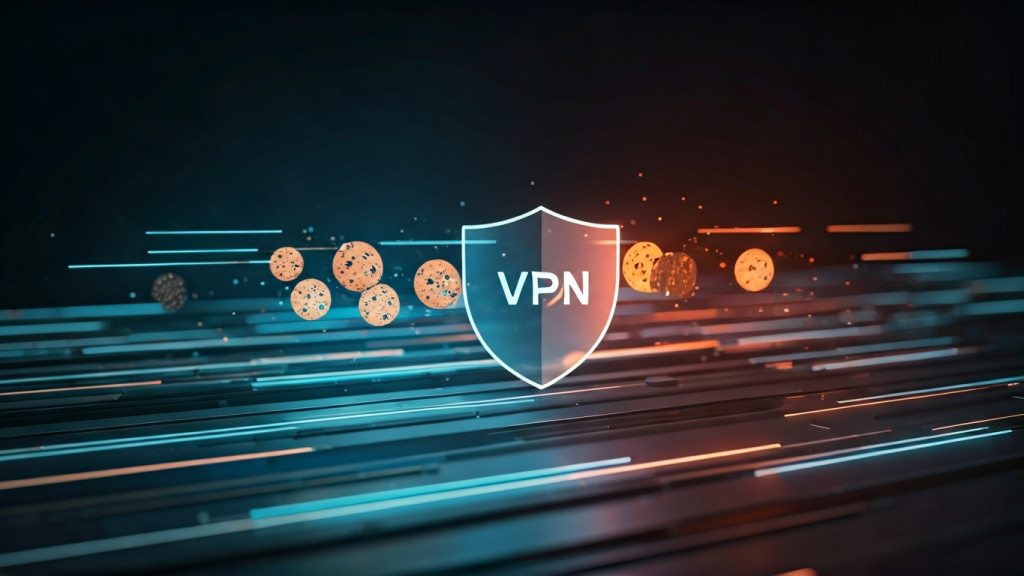
These small files, which often keep you logged into accounts or remember your preferences, can also be tracking tools. Although modern browsers are getting smarter at limiting third-party cookies, technology developers are constantly finding new ways to track you. It’s like leaving breadcrumbs on every page you visit.
Browser Fingerprinting: Your Unique Digital Fingerprint
This is a more advanced technique. Without cookies, your browser can still be identified through a unique combination of your settings: screen size, time zone, installed fonts, active extensions, and more. It’s like a digital fingerprint that’s very difficult to change.
DNS Leaks: Information Leaks When Looking Up Addresses
When you type a web address, your device asks a DNS server to translate it into the server’s IP address. If this request isn’t secure, a third party could potentially ‘peek’ at which sites you are looking for. It’s like asking for directions in public, but everyone can hear where you want to go.
Practical Steps Towards Hassle-Free Anonymity
The good news is, there are many simple ways to enhance your privacy without needing to be a hacker. Here are some habits you can adopt:
- Utilize Incognito Browsing Mode: Use this when sharing a device or not wanting your history saved on that machine. Remember, this protects local traces, not from your ISP.
- Optimize Search and Account Settings: Try to log out of Google, Facebook, or other platforms when doing general searches. Also, limit data synchronization between devices.
- Click with Caution: Be wary of short links from unknown sources, double-check domain names, and be cautious of misleading ‘download’ buttons or fake login pages.
- Avoid Free Proxies: Free proxy services often log your traffic, inject malicious ads, or even steal data. Their security and privacy are highly questionable.
- Research Browser Extensions: Add-ons that request excessive permissions, especially those claiming to be VPNs but only functioning in the browser, can be a risk.
VPN: A Simple Solution for Maximum Privacy
For many, the concept of online privacy sounds complicated. This is where a Virtual Private Network (VPN) comes in as a hero. A VPN essentially creates a secure, encrypted tunnel for all your internet traffic. It hides your real IP Address and replaces it with the VPN server’s IP Address, while also encrypting your data so it’s not easily readable.
With a VPN, you simply open the app, press ‘Connect’, and you’re ready to browse. It’s that simple, right? This makes VPNs a very powerful tool, especially when you’re connected to vulnerable public Wi-Fi networks.
Why Planet VPN is a Smart Choice?
Planet VPN, both its free and paid versions, is designed for ease of use.
- Planet Free VPN is perfect for casual users who need basic, fast protection, especially when traveling or using public Wi-Fi.
- Planet VPN paid offers more consistent performance, stable speeds, easy server location switching, and more comprehensive protection across multiple devices. It’s a small investment for your digital peace of mind.
Quick Guide to Using Planet VPN
- Download and Install: Get the Planet VPN app from its official source.
- Connect: Open the app, choose your desired server (often the fastest is selected automatically), and then press the ‘Connect’ button.
- Enjoy Secure Connection: You’ll see a connection status indicator. Now, you can browse more securely.
Criteria for VPN Services Worth Considering
Not all VPNs are created equal. When choosing, consider the following:
- Speed and Stability: Slow or frequently disconnecting connections will be very disruptive. Look for a VPN that offers reliable speeds for streaming, gaming, or working.
- No-Logs Policy: This is crucial! Ensure the VPN has a clear and trustworthy no-logs policy. This means they do not keep records of your online activity.
- Ease of Use (Usability): An intuitive interface and clear instructions will be very helpful, especially for beginners.
- Additional Security Features: Look for features like a kill switch (disconnects internet if the VPN suddenly drops) and DNS leak protection. These are extra safety nets.
Planet VPN Download Security: Top Priority
To ensure you get a secure, malware-free application, always download Planet VPN exclusively from its official website: freevpnplanet.com. Avoid third-party download sites or suspicious ‘free’ portals, as they might bundle malicious software or trick you.
Conclusion: Anonymity as a Holistic Habit
Browsing the internet anonymously isn’t about a single magic trick, but rather a comprehensive strategy. By adopting better online habits, choosing the right tools like a VPN, and always staying vigilant, you can significantly reduce your digital footprint and enjoy a safer, more private online experience. Start with small steps that have a big impact, and don’t hesitate to use a VPN for seamless extra protection. Prioritize your security, download from trusted sources, and become a smart digital explorer!