
Can Robots Get Depressed? Robot ‘Suicide’ Case in South Korea Sparks New Questions
Recently, the technology world was shocked by reports of a robot in South Korea that allegedly ‘committed suicide’ due to overwork. This case was revealed by the Gumi City Council, South Korea, and marks the first incident of a ‘robot suicide’ in the country. The supervisor robot, which worked as a ‘civil servant,’ is believed to have ended its life due to excessive workload.
Chronology of Events
According to reports from the Daily Mail, cited by Mint, the incident occurred on June 26, when the robot’s components were found scattered under the stairs between the first and second floors of the council building. The robot worked daily from 9 a.m. to 6 p.m. and even had a civil servant identification card like a human. Some local residents stated that the robot jumped from the stairs, while its behavior of spinning in the same spot before falling indicated stress due to excessive workload.
Analysis and Investigation
Experts are investigating whether this incident was truly a ‘suicide’ or merely a technical failure. Many believe that this incident is more likely caused by technical errors or system failures, such as sensor malfunctions or programming errors. A special investigation team has collected the robot’s pieces and is analyzing them to find out the cause of the incident.
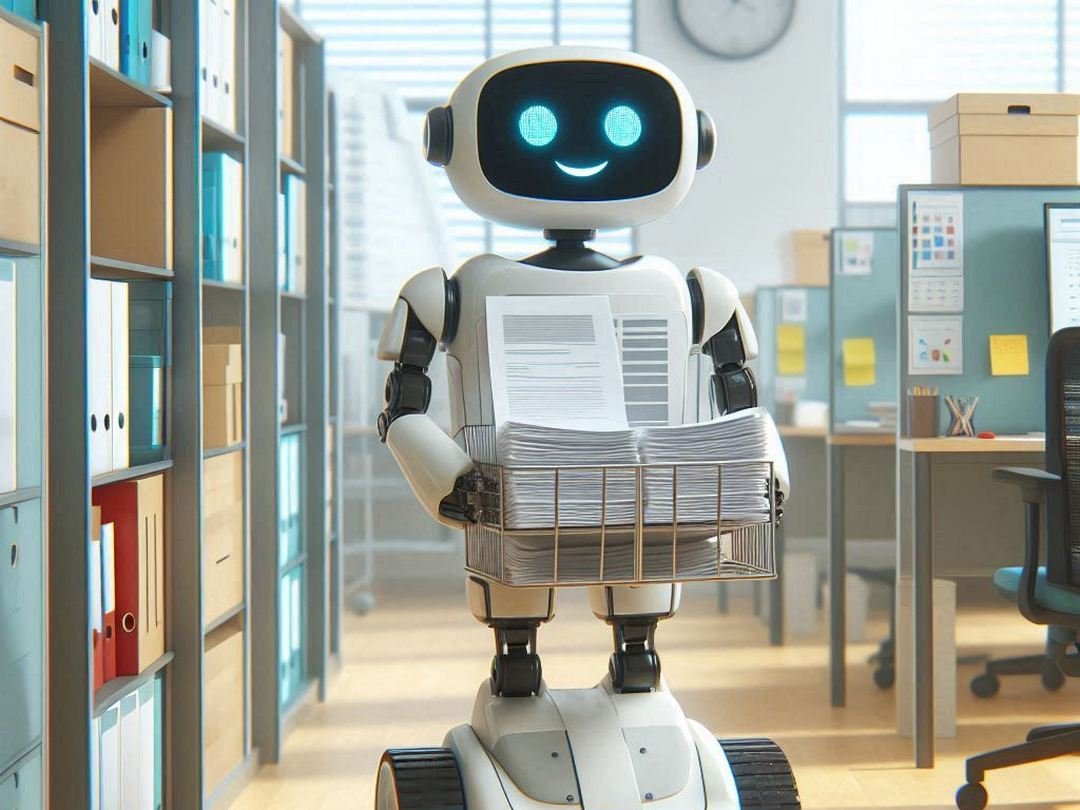
According to NDTV, a city council official mentioned that “the robot’s parts have been collected and will be analyzed by the company.” This supervisory robot was appointed as an officer at the city council last August and was created by the California-based startup, Bear Robotics. This robot is designed to work autonomously, assisting with daily tasks such as delivering documents and providing information to residents, and can navigate between floors using elevators.
Impact and Reaction
South Korea has the highest robot density in the world, with one industrial robot for every 10 employees. This ‘robot suicide’ incident has sparked discussions about the reliability and maintenance of robotic technology. Although some people refer to this event as ‘robot suicide,’ experts and local officials are more inclined to consider it a result of technical errors or system failures. They are still awaiting the results of the analysis of the robot’s pieces to get a clearer picture of the cause of the incident.
Conclusion Repiw
This event serves as a reminder of the importance of ensuring that systems and technologies used by autonomous robots function properly and safely. More stringent maintenance and supervision of this technology are essential to prevent similar incidents in the future.
Although robots do not have feelings like humans, this incident shows that workload and technical errors can affect their performance and operational sustainability.
In an era where technology is increasingly taking over human roles, we must be more careful and responsible in managing and maintaining that technology.