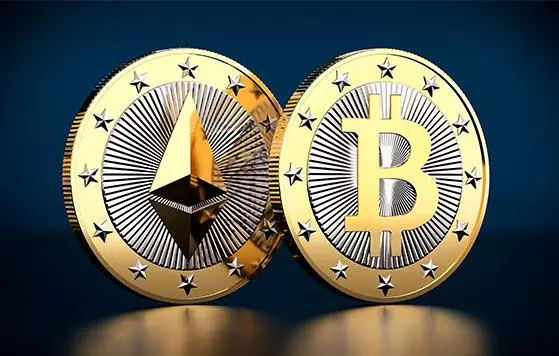
Bitcoin, often abbreviated as BTC, is a digital asset known as a cryptocurrency. In an increasingly digital world, Bitcoin has become one of the most important innovations in the financial sector. For beginners curious about the crypto world, let’s delve deeper into Bitcoin, how it works, and why it’s so popular.
What is Bitcoin?
Simply put, Bitcoin is a digital currency that enables peer-to-peer transactions without the need for intermediaries like banks. Bitcoin was launched in January 2009, right after the global financial crisis. Created by an anonymous figure using the pseudonym “Satoshi Nakamoto,” Nakamoto’s true identity remains a mystery to this day.
Bitcoin is not just a means of payment but is often regarded as “digital gold.” This means that, in addition to being used for transactions, many people consider Bitcoin a long-term investment asset, similar to gold. The main difference? Bitcoin is non-physical, and all its transactions are recorded in a cryptography-based system called blockchain.
How Does Bitcoin Work?
Bitcoin uses cryptographic technology to secure transactions and control the creation of new units. The Bitcoin network is decentralized, meaning no single entity, government, or company controls Bitcoin. Anyone connected to the internet can participate in maintaining the Bitcoin network.
Bitcoin transactions are recorded in a public ledger known as the blockchain. Each new transaction is packaged into blocks, and these blocks are connected to each other, forming a chain. This process is called mining, where miners solve mathematical problems to validate transactions and add new blocks to the blockchain.
Advantages of Bitcoin
One of the main advantages of Bitcoin is its ability to enable fast and direct transactions without the need for intermediaries like banks. You can imagine sending money via email—fast, secure, and with no distance limitations. In Bitcoin transactions, you have full control over your own assets without needing to trust a third party.
Another advantage is that Bitcoin is non-physical. You cannot store it in a physical wallet like cash. All bitcoins are simply data entries on the blockchain, a digital ledger that is open and transparent. However, you can send or receive bitcoins anywhere in the world within minutes.
Limited Supply of Bitcoin
Another thing that makes Bitcoin so attractive is its limited supply. Only 21 million bitcoins can be mined. This means that Bitcoin has a deflationary nature, unlike fiat currencies that can be printed without limit by governments. Each time a new block is found, a certain amount of Bitcoin is given to the miners as a reward, but after 21 million bitcoins are in circulation, no new bitcoins will be mined.
Bitcoin can also be divided into smaller units called satoshis. One Bitcoin consists of 100 million satoshis, allowing people to buy and send fractions of a Bitcoin as small as 0.00000001 BTC. This makes it easier for anyone to participate in the Bitcoin economy, without having to buy a full Bitcoin, which can be very expensive.
Conclusion
Bitcoin is more than just a digital currency; it is a symbol of financial freedom in the modern era. With its decentralized nature and limited supply, Bitcoin offers new solutions in the global financial world. However, for beginners, understanding how it works can be confusing, but with a little effort, the potential offered by Bitcoin is enormous. Do not hesitate to start by buying a few satoshis, and who knows, you could become part of the future financial revolution.