The New Era of Smart Homes: Technology That Elevates Your Lifestyle
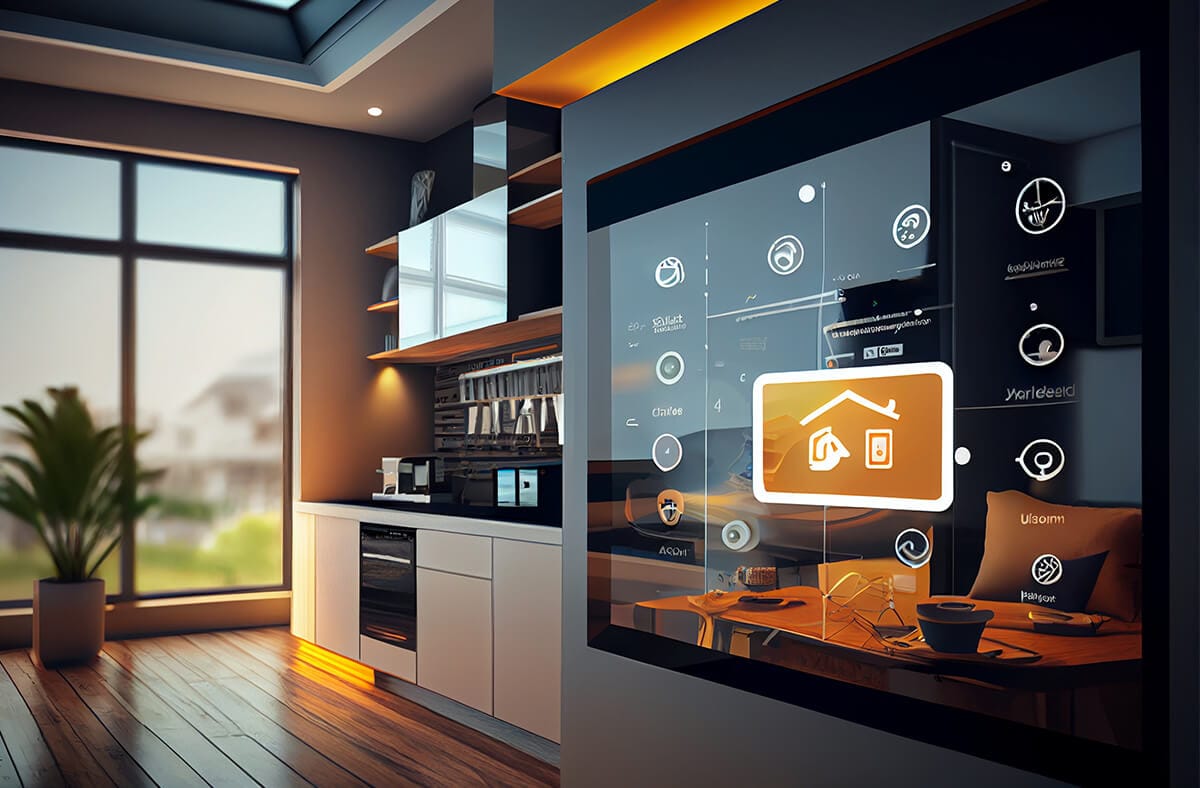
Imagine controlling your lights, room temperature, and even home security with just a tap on your phone screen. Or, even cooler, having everything happen automatically! That’s the power of smart home technology, which has transformed how we interact with our living spaces.
This technology integrates smart devices like lights, security cameras, locks, and virtual assistants, all interconnected via the internet. Beyond just convenience, smart home tech also delivers comfort, enhanced security, and energy efficiency. In this article, we’ll explore how this technology works and how you can start integrating it into your daily life.
What Exactly Is a Smart Home?
A smart home is a residence equipped with intelligent devices that can be controlled remotely via a smartphone or a virtual assistant like Google Assistant or Amazon Alexa. Examples of such devices include smart lights, smart thermostats, security cameras, and smart door locks. All these gadgets connect via Wi-Fi, giving you control no matter where you are.
What’s more, some smart home devices can even communicate with each other. For instance, lights might automatically switch on when a camera detects someone outside your door, or a thermostat could adjust the temperature based on your daily habits.
Key Benefits of a Smart Home
Why are more and more people drawn to smart home technology? The answer is simple: convenience, security, and efficiency. Here are some of the main benefits you can expect:
- Convenience: Imagine unwinding after a long day and dimming the lights or setting the perfect room temperature with just a voice command. Smart home technology makes it effortless to control your home environment exactly as you like, without lifting a finger.
- Enhanced Security: With smart surveillance cameras and AI-powered security systems, you can monitor your home anytime, from anywhere. Some cameras can even recognize suspicious movements and send instant notifications to your phone. Plus, you can remotely lock or unlock your doors.
- Energy Efficiency: A significant advantage of smart technology is its ability to reduce energy consumption. For example, smart lights can automatically switch off when no one is in the room. Smart thermostats also learn your routines and adjust the room temperature automatically to save energy.
- Time and Effort Savings: With all the conveniences offered, a smart home saves considerable time and effort. You no longer need to check every single light before bed, as you can turn everything off with one tap in a single app.
Core Technologies Powering Smart Homes
To build your smart home, there are several core technologies you should be familiar with. These technologies form the foundation for the various interconnected devices within a smart home system.
- Internet of Things (IoT): IoT is a network of interconnected devices that can communicate with each other. In the context of smart homes, IoT enables devices like lights, locks, cameras, and thermostats to work together seamlessly via Wi-Fi.
- Virtual Assistants: Virtual assistants such as Google Assistant, Amazon Alexa, and Siri are key to the effortless operation of a smart home. Using voice commands, you can manage your smart devices simply by speaking. These assistants can also run daily routines based on your preset commands, like turning on lights at sunset or playing music in the morning.
- Control Apps: Every smart home device typically comes with a companion app that allows you to control it from your smartphone. Platforms like Google Home or Amazon Alexa can consolidate control over multiple devices into a single interface, simplifying setup and integration.
How to Get Started with Your Smart Home
If you’re interested in getting started, don’t worry—you don’t have to turn your entire home smart all at once. Here are some simple steps to begin:
- Start with Basic Devices: Choose devices that best suit your initial needs. Smart lights or security cameras are excellent starting points. You might also consider a Google Nest or Amazon Echo as your central control hub.
- Expand with Other Devices: Once you’re comfortable with your basic setup, you can add other devices like smart door locks, thermostats, or even automated blinds. All these devices can connect and be controlled from a single app.
- Tailor to Your Lifestyle: Customize your smart home system to fit your lifestyle. For example, if you often forget to turn off lights when you leave, smart lights with motion sensors could be a perfect solution. Or, if you travel frequently, smart security cameras and smart door locks will provide peace of mind.
Conclusion
Smart home technology is a revolution in how we manage our homes. By integrating various smart devices, you not only boost convenience but also enhance security and energy efficiency. Start with basic devices, and gradually add smart tech as per your needs. The world of smart homes is full of possibilities to create a smarter, more comfortable living space.
Have you tried smart home technology in your residence? Share your experiences in the comments section below!