Apple’s Grand Ambition: Needle-Free Blood Sugar Monitoring
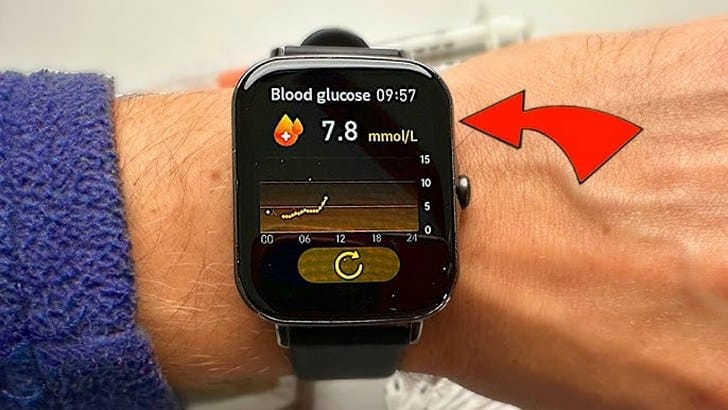
One of the most anticipated health innovations in the wearable technology realm is the ability to monitor blood sugar levels non-invasively. Apple, through its ambitious engineering team, has reportedly dedicated years of effort to integrating a direct glucose monitoring sensor into the Apple Watch. This ambition aims to transform the way individuals, especially those with diabetes, manage their condition, while also opening the door for anyone who wants to proactively monitor their metabolic health. Why is this important for users? This feature promises incredible convenience, eliminating the need for painful and repeated needle pricks, and providing crucial real-time data for lifestyle and dietary decision-making.
Understanding the Technology and Its Complex Challenges
At the heart of Apple’s project is the development of an optical absorption spectroscopy method. This advanced technology works by emitting a laser light under the skin, which is then analyzed to measure the concentration of glucose in the bloodstream. This method is vastly different from conventional techniques that require blood samples. The biggest challenge lies in precision. To function medically and gain approval from health regulatory bodies such as the FDA, this sensor must have an extraordinarily high level of accuracy and be reliable under various skin and environmental conditions. The miniaturization of complex optical components to fit within a device as small as the Apple Watch also presents a significant technical hurdle.
Current Status and Release Projections (Up to April 2025)
As of early April 2025, reports from trusted industry sources, including analysis from Mark Gurman at Bloomberg, indicate that Apple has achieved a promising “proof-of-concept” internally. This means they have successfully demonstrated that the basic technology can theoretically work. However, from the concept stage to a consumer product that is ready for market and passes clinical and regulatory tests is still a long journey. Experts and industry analysts agree that this technology still needs several more years to fully mature. Current predictions place the potential launch of this non-invasive glucose feature at least at the end of this decade, not in the upcoming Apple Watch series. Why do users need to understand this timeline? Realistic expectations are crucial. The development of such health technology is not only about innovation, but also about safety and medically tested accuracy, which requires time and extensive testing.
Revolutionary Impact on Health Management
Apple’s success in launching this feature will mark a significant revolution in the world of health monitoring. For millions of people with diabetes, access to real-time glucose data without the need for invasive devices will greatly improve their quality of life and make managing their condition easier. But the benefits extend beyond that. Individuals without diabetes can also utilize this technology to understand how food, physical activity, and other lifestyle factors affect their blood sugar levels. Why is this very beneficial? This in-depth understanding can drive healthier habit changes and early prevention of conditions such as pre-diabetes or type 2 diabetes, transforming the Apple Watch into a very powerful preventive health device.
Apple’s Vision: From Smartwatch to Personal Health Assistant
This development reinforces Apple’s strategic direction of transforming the Apple Watch from a mere smart accessory into a comprehensive personal health monitoring device. With a continuous focus on advanced health features—ranging from ECG, fall detection, to cycle tracking—the addition of non-invasive glucose monitoring will become a major pillar in that vision. This demonstrates Apple’s commitment to empowering users with relevant and easily accessible health data, positioning the Apple Watch as a frontrunner in digital health innovation.