
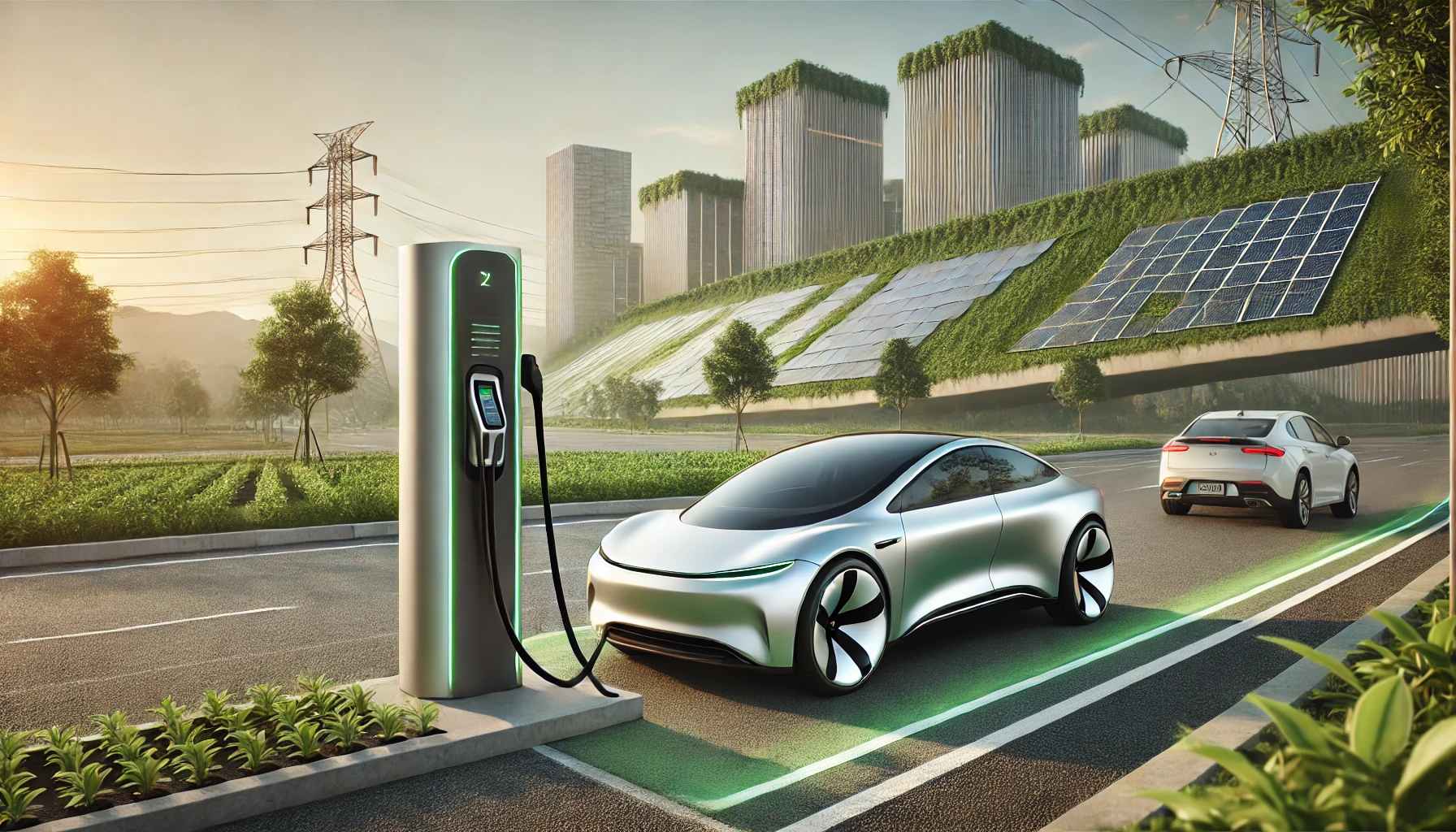
Indonesia is taking a significant step towards a sustainable automotive future with electric vehicles (EVs). What were once roaring engines and exhaust fumes are now set to transform into quiet, eco-friendly, and highly efficient machines. Join us as we explore the cutting-edge technology powering EVs, assess Indonesia’s regulatory and infrastructure readiness, and address the challenges potential consumers might encounter.
Why All the Buzz About Electric Vehicles?
Electric vehicles aren’t just a fleeting trend; their emergence promises to significantly reduce air pollution, slash operational costs, and decrease our dependence on fossil fuels. EVs are more than just cool gadgets; they represent a crucial solution for the future of both our environment and economy.
The Tech Behind the Silence
The technology behind EVs makes them the quiet and efficient vehicles of the future. Let’s take a closer look at three key components:
-
Battery: The Vehicle’s Heart
Utilizing advanced lithium-ion technology, EV batteries can store substantial energy with increasingly shorter charging times. With ongoing innovation, some EV batteries can even double as emergency home power sources during blackouts. -
Electric Motor: Silent Performance
Electric motors deliver instant acceleration with high efficiency, around 90%, making them far more energy-efficient than gasoline engines which typically hover around 40%. With fewer moving parts, EV maintenance becomes simpler and more affordable. -
Regenerative Braking: Turning Braking into Energy
This technology converts braking energy into electricity to recharge the battery. So, every time the car brakes, its range effectively increases. Maximum efficiency, right?
Regulations: The Government Steps on the Gas!
The government has laid out a regulatory framework to support EVs, such as Presidential Regulation No. 55 of 2019 for EV development and the provision of fiscal incentives for producers and consumers. However, challenges remain in standardizing and managing charging infrastructure distribution across the nation.
Infrastructure: Paving the Way for Convenience
The number of SPKLUs (Public Electric Vehicle Charging Stations) continues to grow thanks to collaborations between the government and private sectors. However, Indonesia still needs to build more charging stations, especially outside Java, to facilitate EV adoption across all regions.
Consumers: Are We Ready?
Is Indonesian society ready to transition to EVs? From lower operational costs to environmental sustainability, potential consumers see various advantages. However, high initial purchase prices, range anxiety, and relatively long charging times remain significant challenges.
Challenges Ahead: Not All Smooth Sailing
The journey towards electrification requires considerable effort. Electrical infrastructure needs to be upgraded to handle increased energy demand, battery recycling systems must be developed, and specialized EV technicians need to be trained. However, every revolution invariably faces its own set of challenges.
The Future: EVs in Indonesia
Indonesia is poised to embrace the EV future with immense potential, ranging from more affordable EV models to the integration of renewable energy. Indonesia also has the opportunity to become a major EV production hub in Southeast Asia, unlocking vast economic opportunities. The roar of exhaust pipes may soon be replaced by the silent hum of electric vehicles on our roads.
Repiw Editor’s Take:
Automotive electrification isn’t just changing how we drive; it’s also challenging how we perceive sustainability. Ready or not, the future of vehicles rests with silent, clean, and efficient EVs. People once doubted the speed of the first car compared to a horse, but now, who can question this transformation? Keep an open mind, stay informed, and prepare for a greener mobility future!