Merah Putih Laptop: Now Equipped with Intel Core i5, Ready to Make Its Mark in the Local Market
The Merah Putih Laptop (LMP) program is turning heads once again! Its latest version now packs an Intel Core i5, a significant leap from its predecessor which only utilized an Intel Celeron processor. This project, a collaboration between a consortium of universities and industry players, isn’t just about tech; it’s about proving Indonesia’s capability to independently produce key laptop components like motherboards. Let’s dive deeper into this technological advancement and its impact on the domestic industry!
From Celeron to Core i5: LMP’s Technological Leap
The first generation of the Merah Putih Laptop ran on an Intel Celeron, a technology that’s arguably quite dated. This processor didn’t even require a fan due to its low power consumption. However, with its second iteration, LMP has made significant strides, introducing an Intel Core i5 – a processor on par with what engineering students typically use.
What Makes the Core i5 Different?
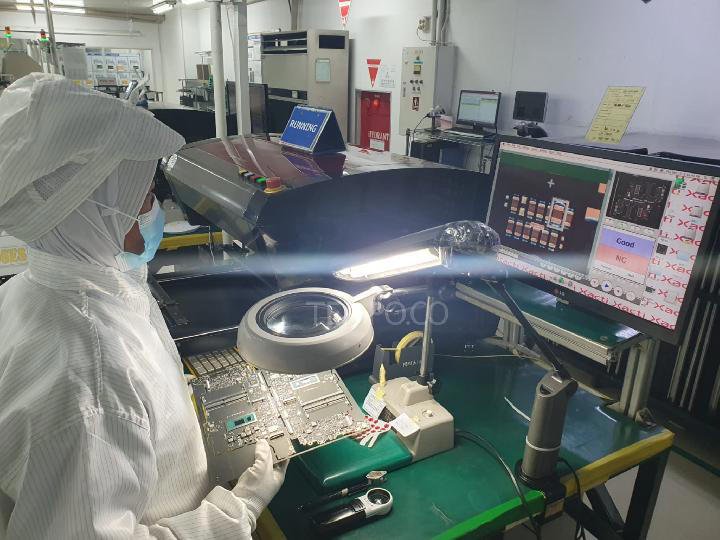
According to Farkhad Ihsan Hariadi, the project lead, motherboards with Core i5 processors boast significantly more complex component density and specifications compared to their predecessors. This is solid proof that advanced motherboard assembly is achievable in Indonesia.
The Role of Universities and Local Industry
The Merah Putih Laptop project is part of a “rising matching fund” program involving five major universities: ITB, UI, UGM, ITS, and Telkom University. This collaboration aims to:
- Boost TKDN (Tingkat Komponen Dalam Negeri – Local Content Level): With locally-made motherboards, the laptop’s TKDN, previously below 40%, can significantly increase.
- Inspire Local Industry: This project is designed to demonstrate to the industry that Indonesia is capable of producing core components like motherboards.
- Create Job Opportunities: If this motherboard is adopted by local brands such as Zyrex, Axioo, and Advan, there will be an increased demand for skilled labor in the electronics sector.
Local Motherboards: Challenges and Opportunities
While the results are promising, Adi Indrayanto, the consortium coordinator, highlights several challenges still facing the project:
- Import Dependence: Currently, local brands still rely heavily on imported components, especially motherboards.
- Funding: The program has yet to secure strategic government funding, which remains a hurdle for involving more universities.
However, the opportunities are also substantial. If TKDN policies are more widely implemented, domestic motherboard assembly could be the initial step towards building Original Design Manufacturing (ODM) capabilities in Indonesia.
Long-Term Benefits for Indonesia’s Tech Industry
If these local motherboards are successfully adopted, the impact will be immense:
- Technological Self-Reliance: Indonesia would transition from merely being an assembly nation to also being a producer of key laptop components.
- Increased TKDN: With local components, tech products in Indonesia will become more competitive and meet government regulatory standards.
- Human Resources Development: University graduates will find greater employment opportunities in the electronics and manufacturing sectors.
Editor’s Take on Repiw
The Merah Putih Laptop is more than just a tech project; it’s a significant milestone towards technological self-sufficiency for Indonesia’s tech industry. With its Intel Core i5 processor and locally-made motherboard, LMP demonstrates Indonesia’s capability to compete in the global market. However, this journey is still long. Strong support from the government, industry, and the public is crucial for this vision to truly materialize.
So, Repiwers, let’s champion such innovations! With robust synergy, it’s entirely plausible we’ll see fully homegrown laptops in the future. Keep an eye on repiw.com for the latest tech news!