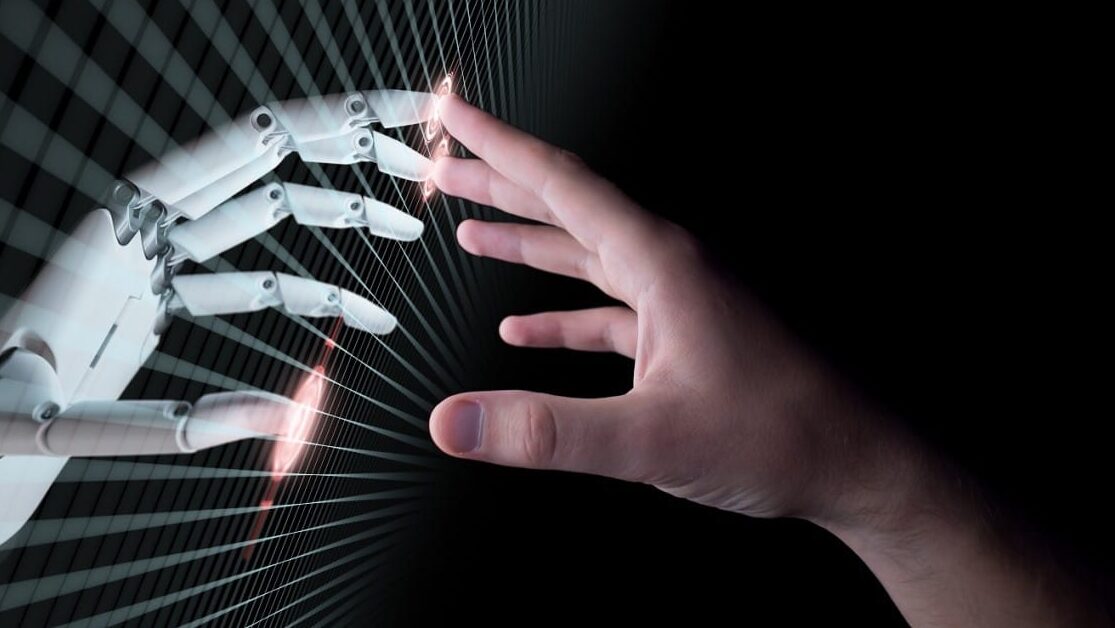
Amidst the accelerating pace of innovation, the term Artificial Intelligence (AI) has permeated almost every aspect of human life. More than just a technological jargon, AI has now transformed into an entity that fundamentally reshapes how we work, create, and even interact. However, like a metaphorical double-edged sword, its presence brings with it revolutionary promises of convenience alongside the shadows of threats that challenge our collective wisdom in utilizing technology. This feature essay will thoroughly examine this dynamic, inviting us to think more clearly and wisely in navigating the AI wave.
Transformations Across Various Sectors: From Farmland to the Digital Canvas
Artificial intelligence, in essence, is a human-engineered creation designed to assist and simplify its users’ lives. Since its inception, AI has infiltrated various ecosystems: agriculture, finance, entertainment, sports, education, and even art. This convergence of technology inevitably sparks both pros and cons, igniting heated debates about ethics, sustainability, and its impact on socio-economic structures.
One of the arenas that has felt AI’s touch the most is the agricultural sector. AMIKOM University of Yogyakarta, for example, is developing an Intelligent Flying Robot, a drone technology equipped with AI to detect pests and spray pesticides with precision. Arief Setyanto, Vice Rector 4 of AMIKOM Yogyakarta, explained that this robot, developed in collaboration with AMD, can identify pest types through camera capture, ensuring the accurate and targeted use of pesticides. This is a real manifestation of the efficiency offered by AI. However, behind this sophistication lies a dilemma: the operation of this robot cannot be done by any farmer, but requires the expertise of a drone pilot. This suggests a shift in the work paradigm, where traditional professions may be replaced, but at the same time, creates a need for new skills.
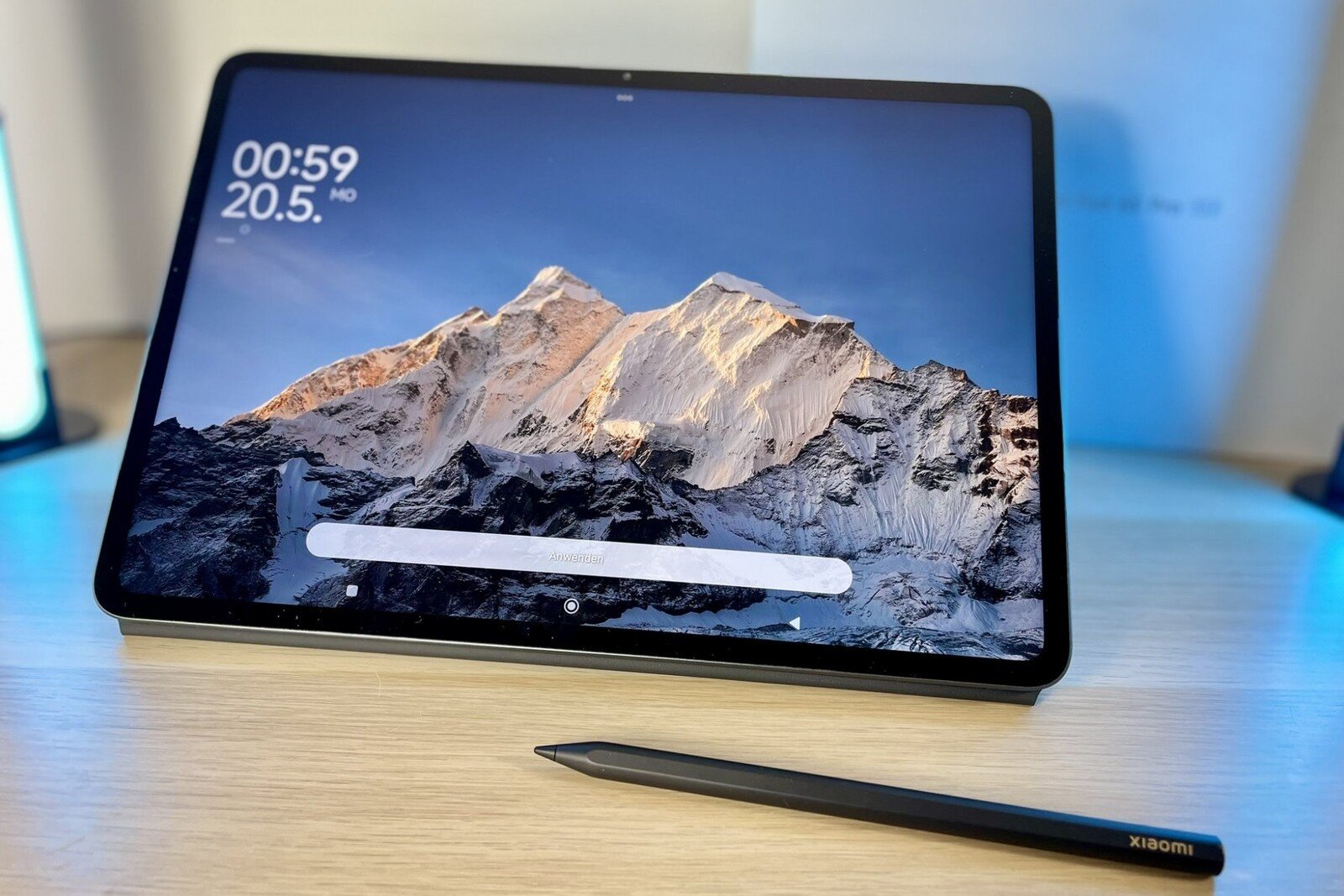
Not only in farmlands, but the art world is also experiencing the no less significant impact of AI. Art, as an expression of skill that generates beneficial and quality works with aspects of aesthetics, function, philosophy, and form, is now finding a new medium. If in the past artists needed canvases or paper, brushes, pencils, and hours or even weeks to pour out ideas, now there is a digital art ecosystem. With devices such as PCs, laptops, tablets, or even smartphones, the creative process becomes more practical and easily accessible. This digital art ecosystem is divided into various types, such as Vector Art, WPAP, Line Art, Typography, Caricature, and Silhouette, each offering its unique expression.
When AI Draws: Innovation, Accessibility, and Ethical Storms
Technological developments have brought digital art to the next phase with the presence of AI Image-Generated. Products like Stable Diffusion and MidJourney allow users to generate digital works instantly simply by writing a description (prompting). This sophistication, as voiced by George Chako, Intel Director, Global Account (Lenovo) Asia Pacific & Japan, at Lenovo Innovate 2024, has changed the way we work, making productivity more practical and efficient. He even asserted that in the digital age, those who do not utilize AI will be a minority.
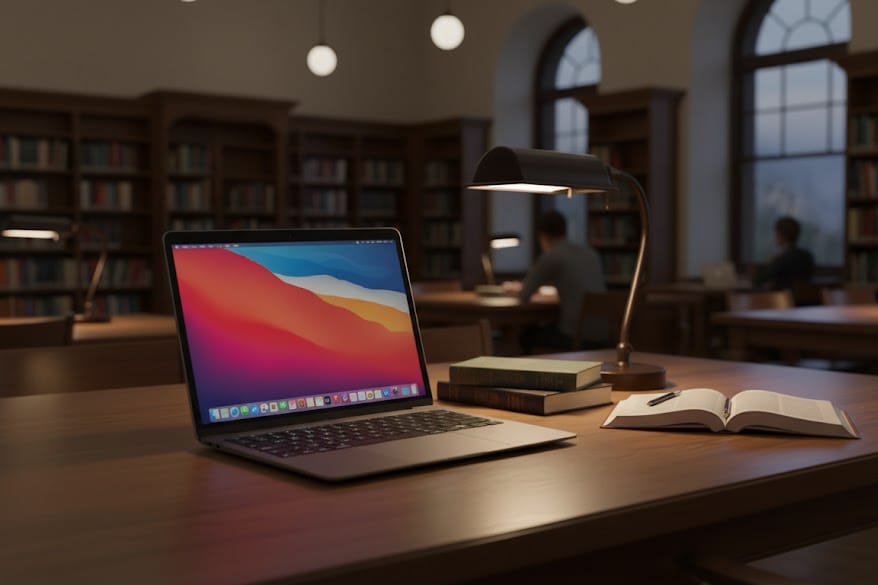
The integration of AI in everyday computing is also becoming increasingly massive. Belinda Widgery, Asia Consumer Channel and Partner Marketing Lead Microsoft Asia Pacific, introduced Copilot, a Windows-based AI technology capable of performing AI Image-Generated without an internet connection. This convenience, as exemplified by Belinda creating an animation of herself with her beloved dog from a prompt, highlights how AI can democratize access to artistic creation.
However, behind this practicality, a ripple of protest is emerging from artists. AI’s ability to create works instantly triggers serious concerns about the threat to their profession. The hashtag #TolakGambarAI (Reject AI Images) went viral on the X (Twitter) platform in early 2024, becoming a forum for illustrators and artists to resist. Their main demands are justice and respect for the human creative process, which takes time and effort, in contrast to the instant results of AI. The ‘Create Don’t Scrape’ page attached to this movement opened the public’s eyes about the Laion Database, Data Laundering, and the impact of Generative AI which is considered to “kill” many professions, including artists.
This ethical debate is further complicated by cases like Boris Eldagson, a German artist who intentionally submitted an AI work for a prestigious photography competition and won. Eldagson then refused the award, explaining that his actions were an experiment to spark discussion about the role of AI in art and the definition of authenticity. This case shows how AI is able to create “natural” and stunning works, so that the boundary between human and machine creation becomes blurred, testing the philosophical foundation of art itself.
Google is also not standing still. At the Google Cloud Next 24 event, they introduced Imagen 2, an AI technology capable of generating images from text, similar to MidJourney. However, Google emphasizes that every image created with Imagen 2 is entirely the property of the creator, does not violate copyright, and the process is not free. This step is an effort to provide ethical and legal image solutions for companies, but still puts commercial value above the philosophical debate about creation.
Towards Wise and Responsible Technology Use
From the agricultural landscape to the art canvas, it is clear that AI is not a singular phenomenon, but a broad spectrum with complex impacts. It is a double-edged sword that can cut inefficiencies and open doors to unimaginable creativity, but on the other hand, has the potential to erode noble values such as copyright, authenticity, and the value of human hard work.
As individuals living in the digital age, the necessity to adapt to AI cannot be avoided. However, this adaptation must not be passive. We are required to be wise and informed technology users, who can distinguish between empowering innovations and potential exploitations that are detrimental. This means:
- Questioning Sources and Authenticity: Always be critical of information and works generated by AI, understanding that “instant” does not always mean “true” or “original.”
- Developing New Skills: Acknowledge that the job landscape will change, and be proactive in learning skills relevant to the AI ecosystem, such as prompt engineering or understanding AI ethics.
- Encouraging Fair Policies: Participate in public discussions and support regulations that protect copyright, ensure fairness for creators, and mitigate the negative impacts of AI.
- Utilizing for Enhancement, Not Total Replacement: Use AI as a tool to accelerate processes, optimize work, or expand creative horizons, without completely delegating the essence of creativity or critical thinking to machines.
The future with AI is not about choosing between accepting or rejecting. It’s about how we collectively design our interaction with it. With deep understanding, wise attitudes, and continuous adaptation, we can ensure that artificial intelligence truly becomes a blessing that advances civilization, not a threat that erodes our humanity.