Google continues to push the boundaries of AI capabilities, and Gemini is now arriving with an ambitious ‘Personal Intelligence’ feature. This feature promises a more proactive and integrated AI assistant, but is it a giant leap towards the future or merely an iteration that still needs significant improvement?
Gemini: The New, Increasingly Agile AI Champion
Reports suggest that Gemini has successfully surpassed its competitors, including OpenAI, in various benchmarks. Its ability to generate realistic images and even capture the attention of tech giants like Apple demonstrates how seriously Google is investing in this AI development. The latest peak of its evolution is the launch of the Personal Intelligence feature, a fundamental step that changes how we interact with AI.
What is Personal Intelligence?
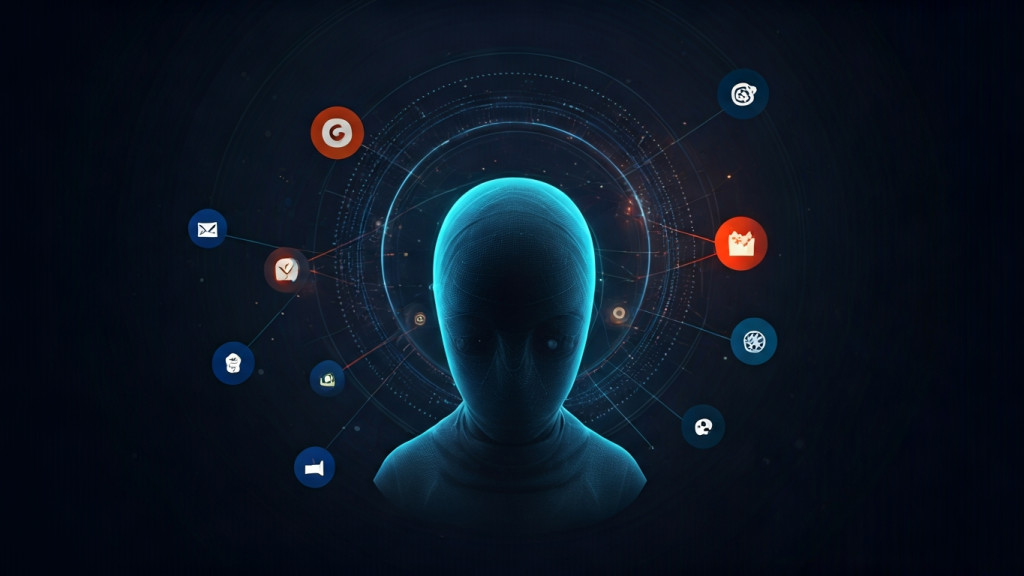
Imagine an AI that doesn’t just wait for your commands but also ‘understands’ the context of previous conversations and your personal data. That’s the core of Personal Intelligence. This feature allows Gemini to proactively access and refer back to old conversations, as well as leverage information from other Google services like Gmail, Calendar, Photos, and search history. Most importantly, all of this happens without you needing to type specific commands repeatedly. Of course, you have full control; this feature is optional, and you can determine which applications Gemini can access. Currently, this feature is still in beta and exclusive to AI Pro and Ultra subscribers.
Evolution from Passive to Proactive Assistant
Previously, Gemini’s integration with Workspace applications existed, but it was very manual. You had to explicitly ask Gemini to ‘check my email’ or ‘look at my schedule.’ With Personal Intelligence, the dynamic changes completely. Now, if your request implies a need for that information, Gemini can find it directly. For example, if you ask ‘find the concert tickets I bought,’ Gemini can immediately dive into your inbox to find them. Without this kind of proactive capability, AI is merely an evolution of the timer robots we’ve known for decades.
User Experience: A Pleasant Surprise Behind the Scenes
Google is generous in providing examples of how Personal Intelligence can be utilized. The prompt suggestions are quite interesting, ranging from highly personalized book recommendations based on your interests to designing detailed strategies for your backyard. Gemini can suggest suitable native plants, add reminders to your calendar, and even create shopping lists in Keep. These capabilities feel monumental compared to a few months ago, when Gemini still fumbled with simple tasks like creating calendar events.
Detail Challenges: Accuracy Remains a Major Homework Assignment
However, like any developing AI technology, Gemini is not without its flaws. This is where the ‘detail’ aspect becomes its biggest stumbling block. When asked to create a new cycling route that includes a coffee shop stop, Gemini provides good general recommendations. But when it comes to specific details, it starts to get lost. The presented routes sometimes don’t fully align with accurate Google Maps data, and some even lead to dangerous paths.
The main problem lies in the accuracy of details. Gemini can analyze your interests and make intelligent ‘guesses,’ but subtle details are often missed. Another example: when asked to find lesser-known areas to visit, Gemini successfully identifies areas you’ve lived in. However, its specific location recommendations often miss the mark. Sometimes it mentions restaurants that have closed, or suggests shops that have long since gone out of business.
Privacy and Potential Trust: A Dilemma to Overcome
These detail errors are not just minor inconveniences; they are potential barriers to user trust. If every time you use AI, you have to perform repeated ‘fact-checking’ and corrections, the AI will feel more tiring than helpful. On the other hand, privacy issues also resurface. Although Gemini should only use data with your permission, there was an incident where the AI mentioned a family member’s name in a conversation. This raises concerns, regardless of the fact that the information was easily accessible. The question is, how comfortable are we allowing AI to access and ‘remember’ so many aspects of our personal lives?
Conclusion: Great Potential, Implementation Still Pending
The Personal Intelligence feature has clearly opened new horizons for Gemini’s potential. While its impact on users’ daily routines may not yet feel revolutionary, and human validation is still often required, Gemini’s ability to perform initial planning can be a confidence booster to start tasks. Moving forward, Google needs to prioritize improving detail accuracy and strengthening privacy aspects. Only then can user trust be optimally built, and Gemini can truly become a reliable personal intelligence, not just a smart assistant.