In recent decades, global awareness of the importance of protecting the environment has rapidly increased. A primary focus in efforts to preserve the Earth is the transition to renewable energy. Unlike fossil fuels, which are finite and polluting, renewable energy sources like solar, wind, and hydro are abundant, cleaner, and more sustainable.
With continuously evolving technology, various innovations now allow us to maximize the potential of renewable energy on a larger scale. In this article, we will explore the latest innovations in renewable energy technology, their impact on daily life, and why they are key to a greener future.
1. Why is Renewable Energy So Crucial?
The climate crisis and dependence on fossil fuels are two of the biggest challenges facing the world today. The use of fossil fuels like petroleum and coal not only damages the environment through high carbon emissions but also depletes non-renewable natural resources.
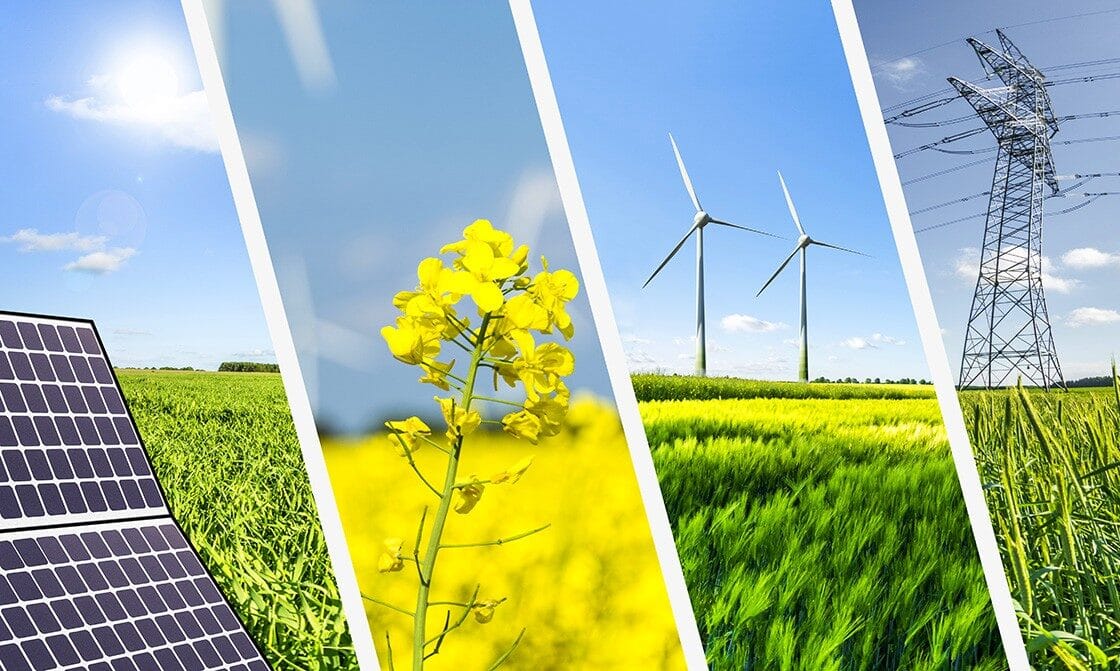
Renewable energy offers a solution to these problems. Besides being an environmentally friendly energy source, renewables can be harnessed from inexhaustible natural sources. Technologies such as solar panels, wind turbines, and hydropower plants have shown immense potential to replace fossil fuels on a global scale.
2. Technological Innovations in Renewable Energy
In recent years, we’ve witnessed various innovations pushing renewable energy technologies to become more efficient and affordable. Here are some of the latest technologies leading the clean energy revolution:
- Perovskite-Based Solar Panels
Perovskite is an innovative material emerging as a new star in solar panel technology. Compared to silicon used in conventional solar panels, perovskite offers higher energy conversion efficiency at a lower production cost. Perovskite solar panels are also more flexible, allowing them to be installed on various surfaces like building walls or car roofs.
- Large-Scale Energy Storage Batteries
One of the biggest challenges for renewable energy is storage. The wind doesn’t always blow, and the sun doesn’t always shine. However, innovations in energy storage battery technology have addressed this issue. Larger, more durable lithium-ion batteries enable the storage of significant amounts of renewable energy, allowing it to be used when energy sources are inactive.
- Offshore Wind Turbines
Offshore wind turbines are an innovation that allows wind power plants to be installed far from land, where winds are stronger and more constant. By placing turbines at sea, we can produce more energy without disturbing human settlements or terrestrial habitats. Countries like Denmark and the UK have led the way in developing the world’s largest offshore wind farms.
3. Impact of Renewable Energy Technology on Daily Life
The implementation of renewable energy technology doesn’t just impact the environment; it also profoundly affects our daily lives. Here are some direct benefits we experience from the transition to clean energy:
- Lower Energy Costs: With renewable energy technologies becoming more affordable, the cost of using electricity from renewable sources continues to decrease. Many homes can now install their own solar panels and reduce monthly electricity bills.
- Reduced Air Pollution: The use of clean energy like solar and wind significantly reduces greenhouse gas emissions, which contribute to air pollution. Cleaner air means a better quality of life, especially in major cities.
- New Job Opportunities: The transition to renewable energy opens up new jobs in sectors such as solar panel installation, wind turbine maintenance, and battery development. Many countries now see renewable energy as a solution to growing the economy while protecting the environment.
4. Challenges and the Future of Renewable Energy
Despite its vast potential, the adoption of renewable energy still faces several challenges. One of these is the relatively high initial investment cost. Although technology continues to advance, much of the older infrastructure isn’t yet fully equipped to support the maximum use of clean energy.
Furthermore, not all countries have equal access to renewable resources. Nations with less sunlight or weaker winds might face difficulties in fully transitioning to renewable energy. However, with continuous innovation in energy storage and distribution technologies, these challenges are becoming increasingly surmountable.
5. Conclusion: Renewable Energy as a Bright Future
Renewable energy technology has demonstrated incredible potential to help us reduce environmental impact and transition to a more sustainable future. Innovations in solar panels, wind turbines, and energy storage batteries have enabled us to harness clean and abundant natural resources.
While challenges remain, the future of renewable energy is incredibly bright. With the right technological support and policies, we could see a world fully reliant on clean energy in the near future. Most importantly, we can leave a healthier world for future generations.