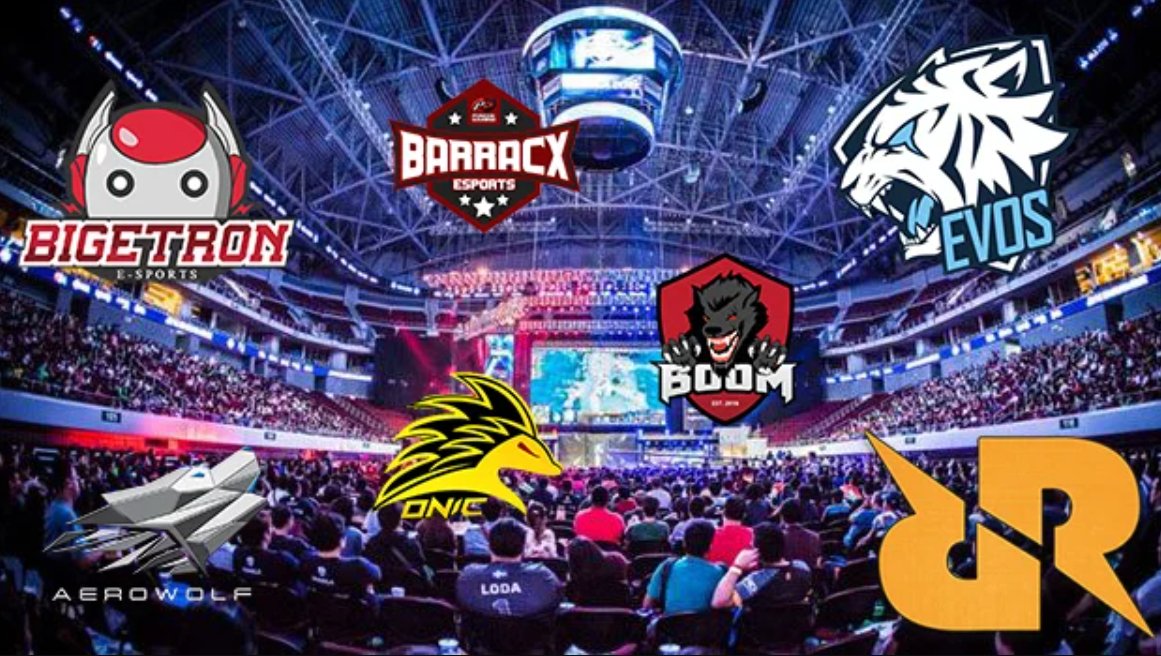
E-Sports: A Global Phenomenon and the Future of Competitive Gaming and Professional Gamers
Not long ago, playing video games was largely seen as just a casual pastime. But with the rapid evolution of technology and culture, video games have transformed into a serious competitive arena known as e-sports, now a truly global phenomenon. E-sports isn’t just about playing games; it’s a dynamic blend of strategy, skill, and, naturally, intense competition. In fact, the profession of a “pro gamer” is gaining significant recognition, offering career opportunities that were unimaginable just a few decades prior.
What Exactly is E-Sports?
E-sports, or electronic sports, is a form of competition that leverages video games. Players or teams battle it out across a diverse range of titles, from fast-paced first-person shooters (FPS) like Counter-Strike, to intricate strategy games such as Dota 2 and League of Legends. E-sports boasts a global following, with millions of viewers tuning into live matches or catching the action on streaming platforms like Twitch and YouTube Gaming.
With the e-sports industry now valued in the billions of dollars, its ecosystem is flourishing. From international tournaments boasting multi-million dollar prize pools to professional teams backed by sponsors and coaches, e-sports has cemented its status as a distinct sport with all the hallmarks of a major competitive arena.
A Brief History of E-Sports: From LAN Parties to Global Tournaments
E-sports first emerged in the late 1990s as multiplayer games began to gain traction. Titles like Quake and StarCraft spearheaded small-scale tournaments, often hosted at local LAN parties or community events. However, the true game-changer came with the internet’s widespread development, particularly in the early 2000s, which paved the way for online gaming matches and cross-country competition.
The 2010s witnessed e-sports truly boom, largely driven by games like League of Legends and Fortnite. Major tournaments such as The International and the League of Legends World Championship evolved into global spectacles, attracting millions of fans worldwide. This surge in popularity catalyzed the birth of a more formalized industry, complete with professional leagues, significant corporate sponsors, and widely recognized pro-gamer athletes.
The E-Sports Industry: Opportunities and Ecosystem
As the industry continues its rapid expansion, career opportunities within the e-sports world are constantly growing. Beyond just professional players, roles like coaches, analysts, casters (game commentators), team managers, and even content creators are in high demand. Major sponsors, ranging from tech giants to lifestyle brands, are eagerly flocking to e-sports, drawn by its undeniable popularity, particularly among younger generations.
For aspiring professional players, the path to success demands absolute dedication. They must commit to countless hours of daily practice, constantly honing their skills and developing a profound understanding of game mechanics. Prestigious tournaments like The International or the Overwatch League offer multi-million dollar prize pools for winning teams, cementing e-sports as an industry with immense earning potential.
However, a career in e-sports isn’t without its hurdles. Challengers include intense mental pressure, physical injuries (such as repetitive strain injury or RSI), and a career lifespan that is often shorter compared to traditional sports.
Streaming and Social Media’s Influence in E-Sports
A pivotal element in the modern e-sports ecosystem is the presence of streaming platforms like Twitch and YouTube. These platforms empower both professional and amateur players to showcase their skills to a global audience, attracting millions of viewers daily.
Moreover, social media platforms such as Twitter and Instagram play a crucial role in disseminating information and fostering the e-sports community. Many gamers leverage these platforms to interact with their fanbase, share insights and tips, and even create collaborative content with other players or brands.
The Future of E-Sports: What’s Next?
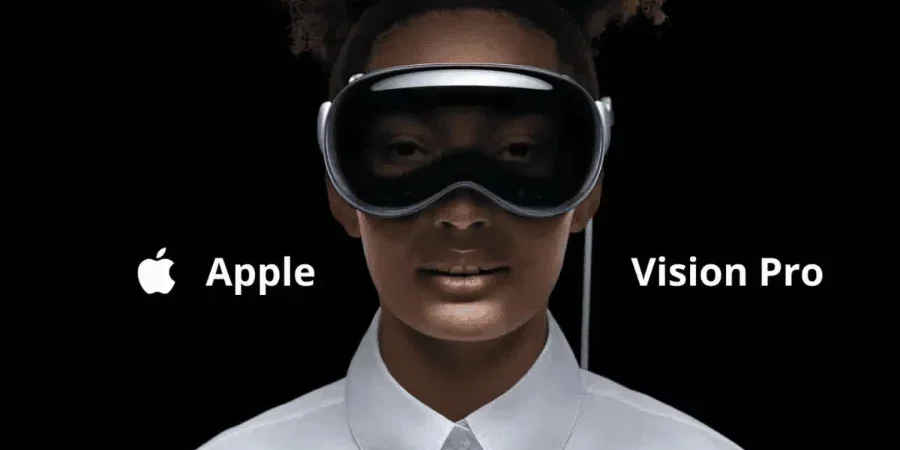
E-sports has clearly not yet reached its peak. As technology continues to advance, we can anticipate further innovations within the e-sports world. Augmented Reality (AR) and Virtual Reality (VR) may very well usher this competition into new dimensions, allowing players to truly “step inside” the games they play.
Furthermore, there’s also the tantalizing possibility that e-sports could become an Olympic event in the future. While debates persist regarding whether e-sports qualifies as an official sport, its ever-growing popularity makes this a distinct possibility.
Review Conclusion
E-sports has evolved from a mere hobby into a multi-billion dollar global phenomenon. With such rapid growth, the e-sports ecosystem now offers incredible career opportunities, both as players and in various supporting roles. The future of e-sports looks incredibly bright, with technological innovations poised to elevate the gaming experience to levels we’ve never imagined. So, for those of you dreaming of becoming professional gamers, now is the time to chase your aspirations!