A Meaningful Silent Step: Apple Adopts RCS in iOS 18
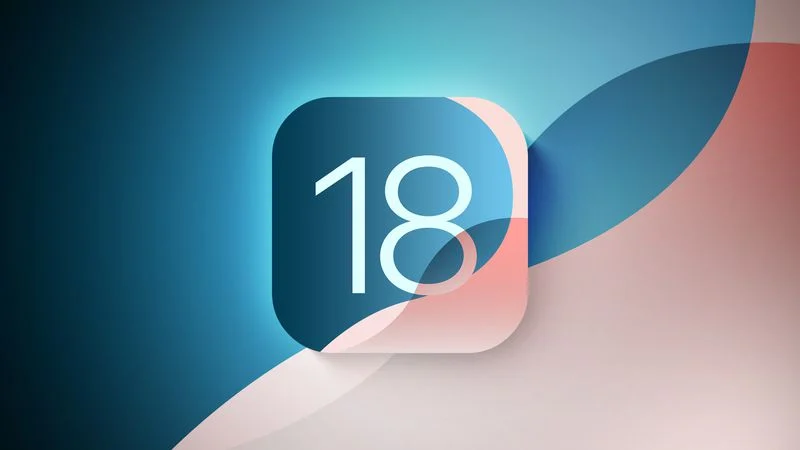
Important news comes from Apple: support for Rich Communication Services (RCS) will soon be available in iOS 18. This is a long-awaited moment, marking the end of an era of communication feature inequality between iPhone and Android users. However, what caught the attention from the Webplus editorial perspective was the way Apple delivered this fundamental announcement—almost without highlight, appearing “quietly” amid the hustle and bustle of other new iMessage features.
Why Was the RCS Announcement So Diminished? Initial Analysis by Apple
As reported by The Verge on June 17, at the Worldwide Developers Conference (WWDC) on June 15, 2024, Apple actually highlighted more of the innovations coming to iMessage. Features such as bold and italicized text, improved Tapbacks, and the ability to schedule messages were the stars. On the other hand, the adoption of RCS, a standard that has the potential to change the cross-platform communication landscape, was only mentioned in passing, as if it were a mere footnote.
On the iOS 18 preview page, the reference to RCS is only a single line without explicitly mentioning Android: “RCS (Rich Communication Services) messages bring richer media and read receipts and typing indicators for those not using iMessage.” This contrasts with the expectations of many for a more in-depth explanation of the real benefits that users will enjoy, which is precisely the crucial point of adopting this technology.
RCS Benefits: Ending the Era of Limited Green Bubbles
For those of you wondering, what exactly does the adoption of RCS bring? The benefits are not trivial and are very relevant to millions of users. iPhone users can now send high-quality photos and videos to Android users without experiencing excessive compression that often damages the quality of the media, a problem that is often complained about. In addition, important features such as read receipts and typing indicators that previously only existed in iMessage or third-party messaging applications, will now function across platforms between iPhone and Android. This is a significant step forward from the outdated SMS/MMS standard, which has become a major point of conflict in the messaging ecosystem.
Global Pressure: Catalyst for Change from Cupertino
Apple’s decision to finally embrace RCS did not come out of nowhere. It is the fruit of great pressure from global regulators and competing companies, who have long criticized the communication “walls” created by Apple and the discrimination of “green bubbles.” All major mobile operators in the world have adopted RCS, making Apple the only tech giant that has not yet switched. Public pressure is also equally strong, especially after the controversial statement by Apple CEO Tim Cook, who suggested that a user buy an iPhone for his mother in order to solve communication problems, which was considered to ignore the issue of universal interoperability.
The Future of Cross-Platform Messaging: Harmonization or Forced Coexistence?
Apple spokesperson Jacqueline Roy previously affirmed that RCS will work alongside iMessage, which, according to Apple, remains the “best and safest” messaging service for its users. This statement indicates that iMessage will not be replaced, but rather RCS will function as a better bridge when communicating with non-Apple devices. However, the general view in the industry and analysts is that this move is a compromise, a step taken by Apple in response to market demands and increasingly strict regulations.
With the adoption of RCS, the era of more inclusive and high-quality message communication between iPhone and Android has finally arrived. Although Apple chose a quiet announcement path, the impact of this decision is expected to be very significant for billions of mobile phone users around the world, marking an important paradigm shift in Apple’s communication strategy.