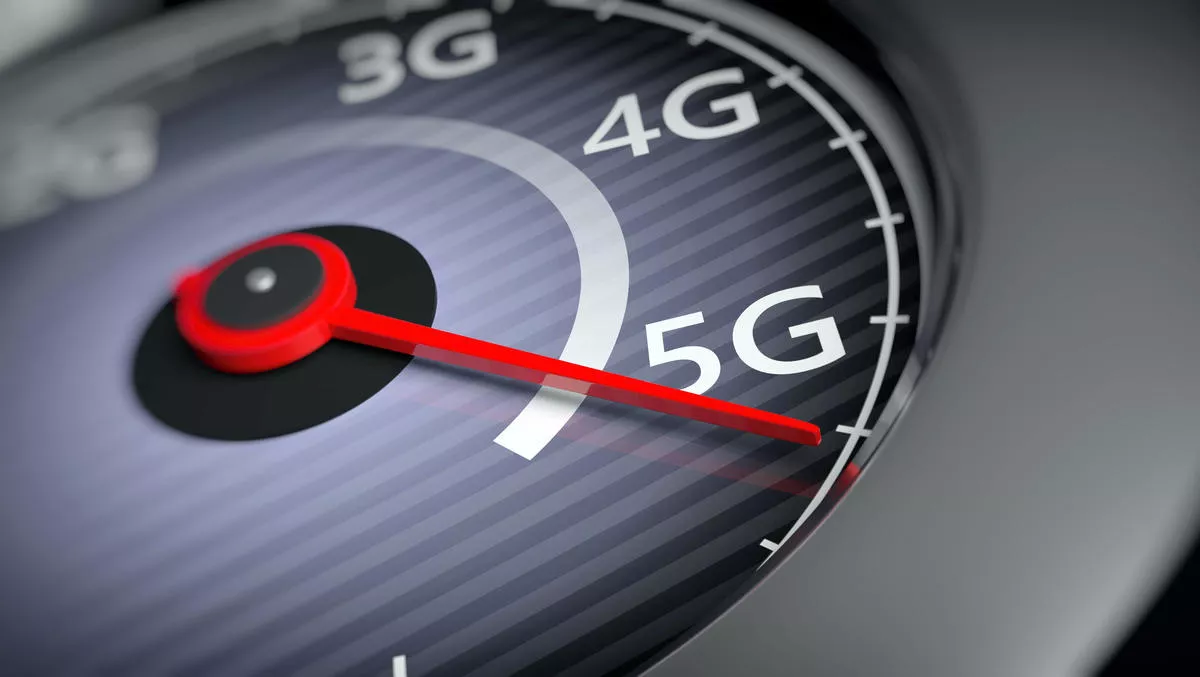
The Evolution of Mobile Data Speeds: From GSM, GPRS, HSDPA, 3G, 4G, to 5G – The Impact and Opportunities of Fifth-Generation Networks
In our increasingly connected digital age, mobile data speed has become a crucial foundation of modern life. From scrolling through social media feeds to streaming high-quality video, the ability to connect rapidly profoundly shapes our daily experiences. Let’s embark on a journey charting the evolution of mobile data speeds, from the nascent GSM networks to the groundbreaking innovation of 5G, and explore how this technology has brought significant impact and new opportunities across various sectors.
1. GSM and GPRS: The Dawn of Mobile Networks
Introduced in 1991, GSM (Global System for Mobile Communications) became the first global standard for mobile communication. While initially only capable of supporting voice calls and text messages, GSM marked a new era in long-distance communication. With data speeds of only about 9.6 kbps, users couldn’t yet enjoy fast internet—but this laid a crucial foundation for more advanced networks to come.
Not long after, GPRS (General Packet Radio Service) emerged as an evolution of GSM, introducing the first mobile internet in the late 1990s. Though GPRS speeds were modest compared to today’s standards—around 40 to 114 kbps—it was a significant breakthrough in enabling internet access on mobile devices. Users could now access email, perform simple browsing, and download content more easily.
2. 3G and HSDPA: A Major Leap in Speed
The next significant leap arrived with 3G and HSDPA (High-Speed Downlink Packet Access) networks in the early 2000s. 3G allowed speeds of up to 2 Mbps, and HSDPA, a part of 3G, brought a substantial boost with speeds up to 14.4 Mbps. This opened the door for more complex multimedia applications like video streaming, video calls, and even online gaming.
This era also saw the rise of smartphones, making the internet more accessible to a wider audience. The development of 3G empowered application developers to create a richer digital ecosystem, from photo-sharing apps to music and video streaming services, much like we know them today.
3. 4G LTE: Speed at Your Fingertips
In the 2010s, the world welcomed 4G LTE (Long-Term Evolution), which elevated mobile data speeds to even greater heights. In ideal conditions, 4G speeds could reach 100 Mbps to 1 Gbps, making HD video streaming and group video calls commonplace. The 4G era also fueled the rise of social media, with video-centric services like Instagram and TikTok gaining massive popularity.
Beyond just speed, 4G also introduced low latency, enabling more responsive connections, especially for real-time applications like video calls or online gaming. Furthermore, more efficient data usage and better bandwidth management made this network more reliable for everyday users.
4. Entering the 5G Era: Technology of the Future
5G, the fifth-generation network, began rolling out in the early 2020s, bringing speeds and efficiency far beyond its predecessors. With speeds up to 10 Gbps and ultra-low (near-zero) latency, 5G doesn’t just make it easier to download movies or play online games without lag; it also creates an ecosystem that enables new technologies to develop rapidly.
What makes 5G unique? Besides its incredible speed, 5G offers significantly greater network capacity, allowing millions of devices to connect simultaneously without performance degradation. This is crucial for the implementation of the Internet of Things (IoT), where various smart devices like refrigerators, lights, and even autonomous vehicles will interconnect and communicate within a smart ecosystem.
5. Social and Economic Impact
The evolution of mobile networks, particularly with the advent of 5G, doesn’t just impact the technology industry; it also permeates various other sectors. For instance, in healthcare, 5G enables doctors to perform remote surgeries using robots connected via high-speed networks. In the education sector, students can learn through interactive and immersive remote learning platforms, unhindered by connectivity issues.
Furthermore, 5G development can spark significant economic growth. Easier access to high-speed data opens opportunities for startups and SMEs to develop technology-based innovations, from new applications to cloud-based services. Smart cities—urban areas leveraging technology to enhance the efficiency of public services—can also become a reality thanks to 5G infrastructure, where data from sensors, cameras, and other devices can be processed in real-time to optimize traffic, waste management, and public safety.
6. Infrastructure Challenges and the Digital Divide
However, alongside the immense opportunities offered by 5G, there are also challenges that need to be addressed. Building 5G infrastructure requires substantial investment, especially for erecting transmission towers and fiber optic networks in underserved areas. This could widen the digital divide between more advanced urban areas and lagging rural regions.
Moreover, privacy and security issues are also major concerns. With an increasing number of devices connected to the internet, the risk of cyberattacks also rises. Governments and service providers need to collaborate to ensure data security and user privacy are maintained.
Conclusion: 5G as the Future of Connectivity
From GSM to 5G, the evolution of mobile data speeds has transformed how we interact with the world. Each network generation has brought new innovations, accelerating the pace of technological advancement and unlocking boundless opportunities across various sectors. 5G is a crucial milestone, promising a revolution in how we live, work, and socialize. By harnessing 5G’s potential, we stand on the cusp of a new era brimming with innovation and change.
Let us embrace this fifth-generation network with enthusiasm and leverage every opportunity it offers to create a better future.