For decades, the fundamental model for playing high-fidelity video games has remained unchanged: users must possess powerful local hardware, either a dedicated game console or an expensive gaming PC. However, a paradigm shift supported by advances in cloud infrastructure and internet speeds is now challenging that model. This is cloud gaming, a concept that promises instant access to the latest games on almost any device, without requiring large downloads or significant hardware investment.
This is not just “Netflix for games.” Behind the ease it offers, there is a very complex technical architecture that involves extraordinary engineering challenges, especially in combating the biggest enemy of all real-time applications: latency. Understanding how cloud gaming works and its long-term implications is essential to see where this interactive entertainment industry is headed.
Basic Cloud Gaming Architecture
At its core, cloud gaming is a form of remote computing. Instead of the game running on your local device, the game is actually executed on high-performance servers in a data center owned by a service provider (such as NVIDIA GeForce Now, Xbox Cloud Gaming, or Amazon Luna).
The workflow can be broken down as follows:
- User Input: You press a button on a controller or keyboard. This input command is sent over the internet to a server in a data center.
- Processing on the Server: The server, which is essentially a very powerful gaming PC or console, receives your input and processes it. The game runs on this server, rendering the next frame based on your input.
- Video Encoding: This newly rendered video frame is then encoded in real-time into a compressed video format (such as H.264 or H.265) to reduce bandwidth requirements.
- Streaming to the User: This compressed video stream is sent (streamed) back over the internet to your device.
- Video Decoding: Your device receives and decodes the video stream, displaying it on your screen.
This entire cycle must happen in a fraction of a second. If it takes too long, the user will feel a noticeable delay between pressing a button and seeing the result on the screen, a phenomenon known as latency.
The Biggest Challenge: The War Against Latency
Latency is the sum of several components:
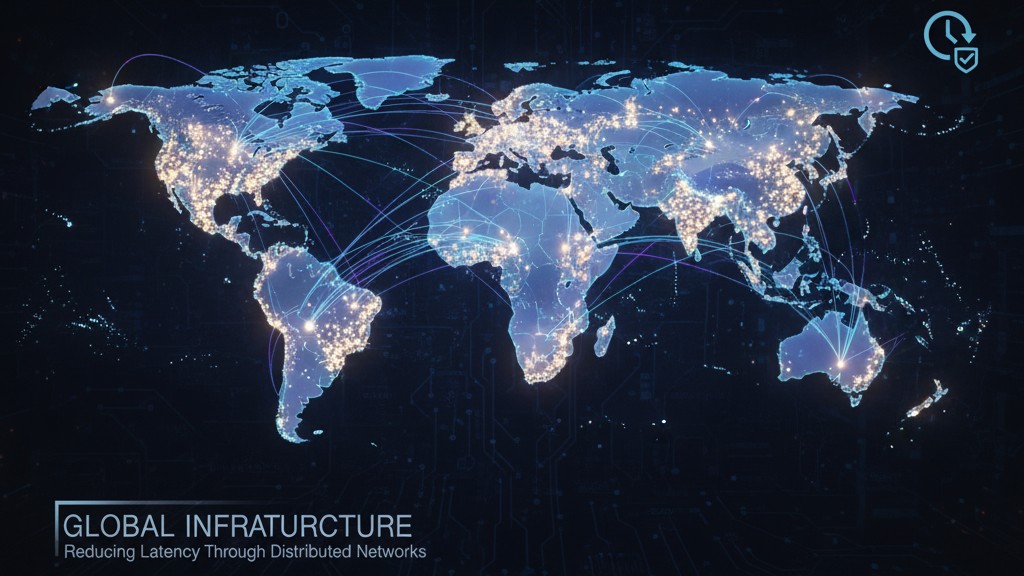
- Network Latency (Ping): The time it takes for data to travel from your device to the server and back. This is greatly influenced by the physical distance to the data center. This is why cloud gaming providers invest heavily in building data centers in many locations around the world to be closer to users.
- Processing Latency: The time it takes for the server to render a frame and encode the video.
- Decoding Latency: The time it takes for your device to decode the video stream.
The total acceptable end-to-end latency for a good gaming experience is generally considered to be below 100 milliseconds, with the ideal target below 50 milliseconds. Achieving this figure consistently is a huge engineering challenge.
Why is this important? Unlike passive video streaming (such as Netflix), where a few seconds of buffering doesn’t matter, cloud gaming is a real-time interactive application. Every millisecond of delay can ruin the gaming experience, especially in fast-paced competitive games.
Long-Term Implications for the Game Industry
If the latency challenge can be widely overcome, cloud gaming has the potential to disrupt the game industry in several ways:
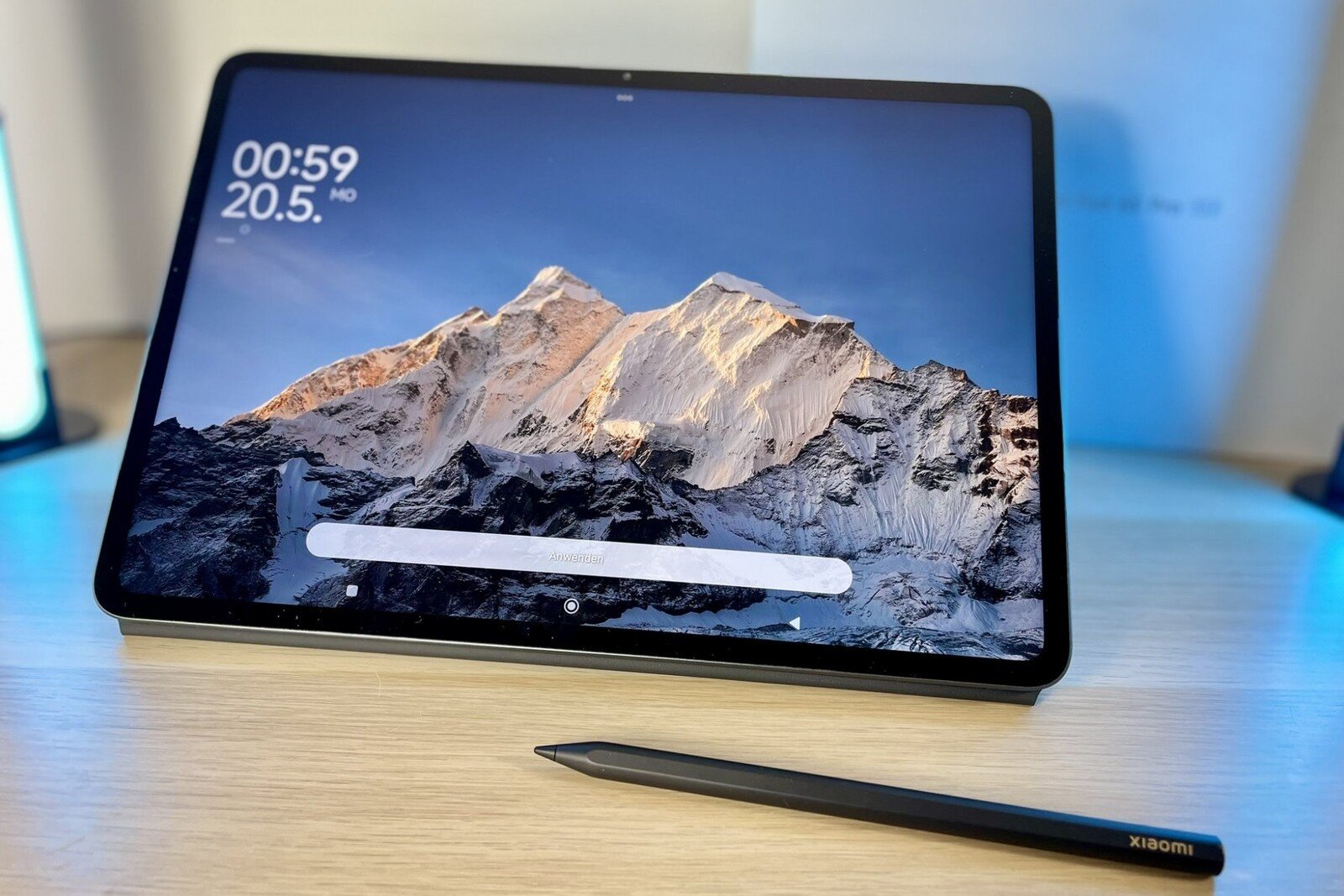
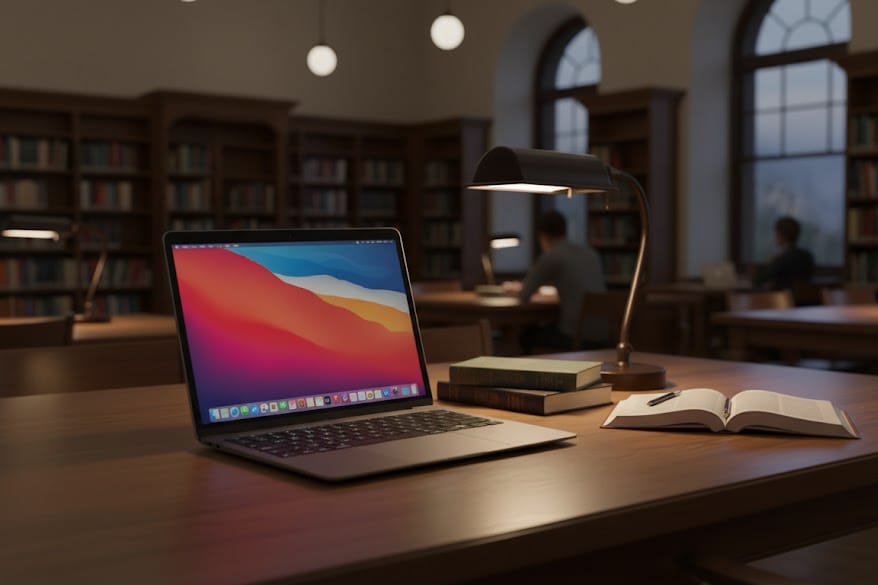
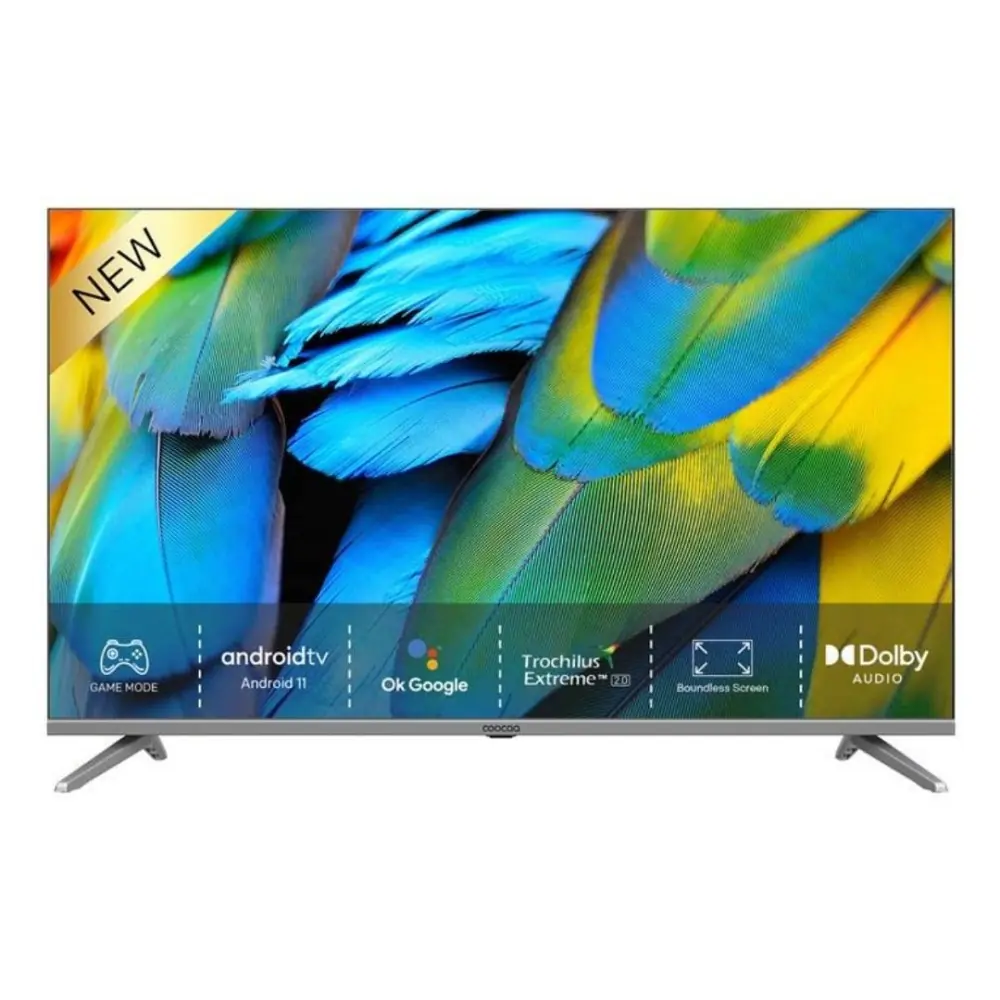
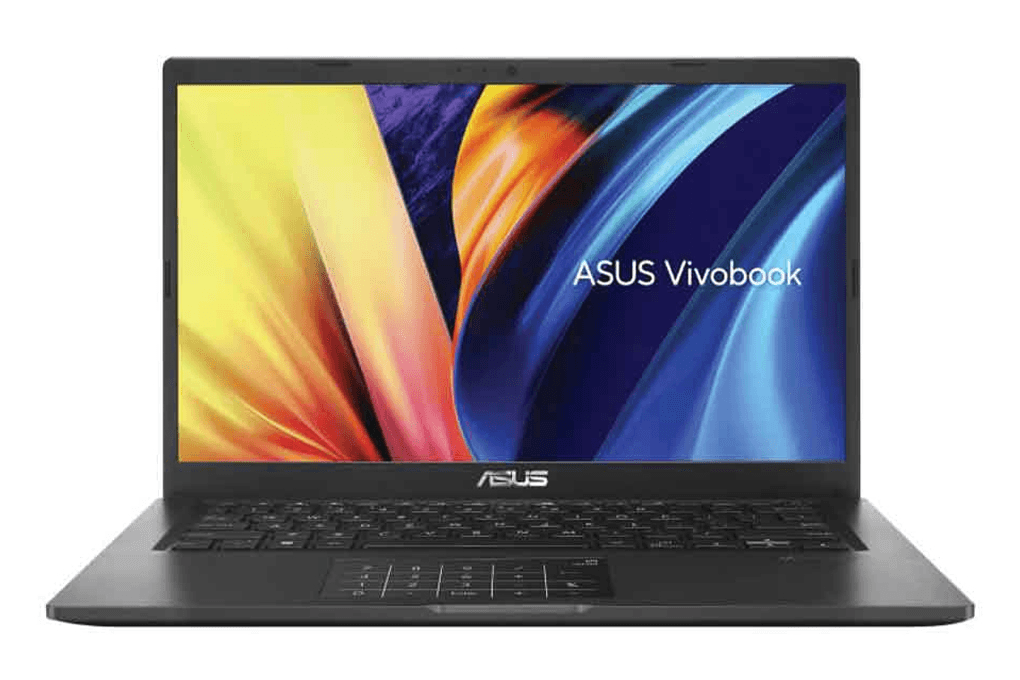
- Democratization of Access: The cost barrier to entry into high-end gaming will be removed. Users no longer need a $500 console or a $1500 PC. They can play AAA games on inexpensive laptops, smartphones, or even Smart TVs, as long as they have a fast and stable internet connection.
- Shift in Business Models: Business models can shift from selling hardware and software units to a subscription model. This is already visible with services like Xbox Game Pass Ultimate which integrates cloud gaming.
- “Cloud-Native” Games: In the future, developers can create games specifically designed to run on the cloud. This opens up possibilities for much more complex physics simulations, massive and persistent game worlds, and more sophisticated artificial intelligence (AI), because the games are no longer limited by the processing power of local consumer hardware.
- Threat to Hardware Manufacturers: Although the high-end PC and console market will not disappear anytime soon, cloud gaming can erode the lower-to-mid market segment.
Current Conditions and the Future
To date, cloud gaming is still a niche market. The quality of the experience varies greatly depending on the quality of the user’s internet connection and their proximity to the server. Video compression, although very sophisticated, still means that the image quality will not be as sharp as playing natively on local hardware.
However, with the spread of 5G connectivity and the continued expansion of fiber internet, as well as continuous improvements in encoding and decoding technology, technical barriers are gradually being eroded. Cloud gaming may not completely replace local gaming, but it is poised to become a very viable alternative and a major pillar in how we access and play games in the future.