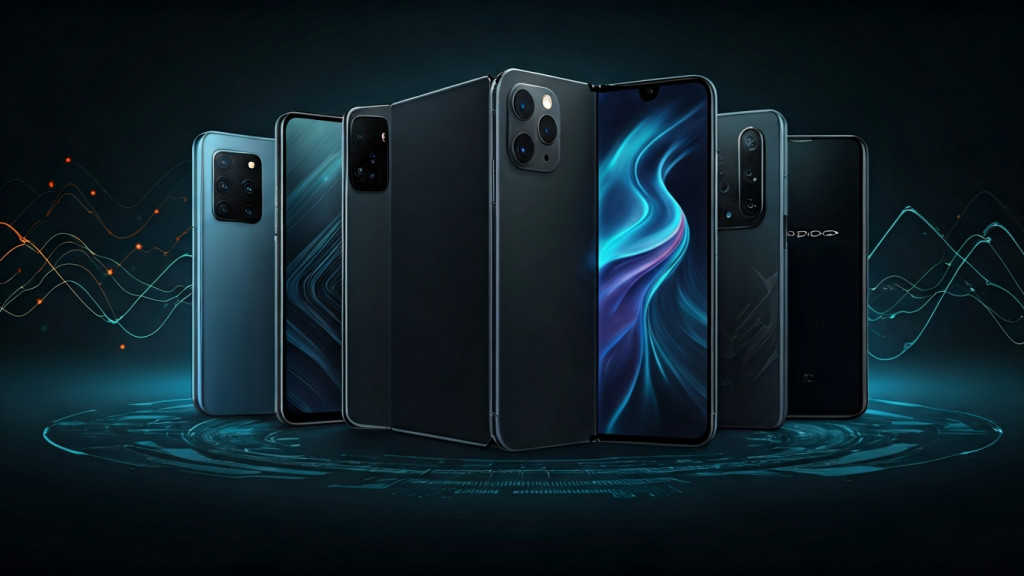
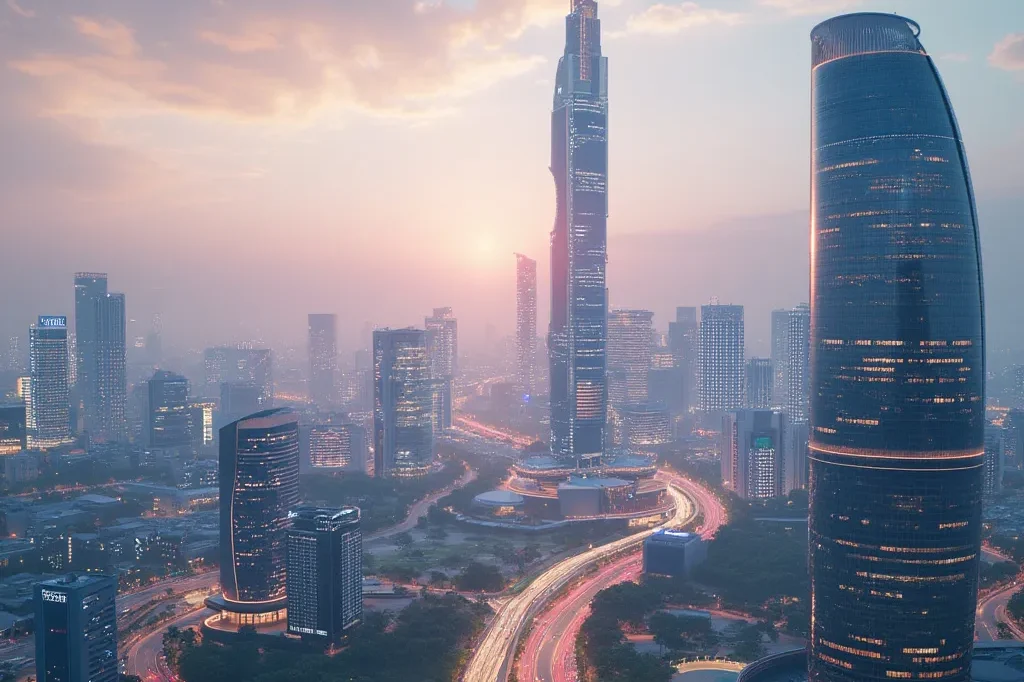
As technology rapidly advances, we often find ourselves wondering: what will the world look like beyond 2030? Many innovations currently in their developmental stages are poised to become an integral part of our daily lives.
As we approach 2030, the tech world continues its incredibly rapid transformation. From Artificial Intelligence (AI) to the Internet of Things (IoT), various innovations have already reshaped how we live and work.
But what lies beyond the 2020s? In this article, we’ll delve into several technology predictions expected to shape the coming decade, exploring key tech areas poised for dominance and offering insights into how these changes might sculpt our future.
-
Smarter AI and Automation
Artificial Intelligence (AI) has seen exponential growth and is predicted to become even more sophisticated beyond 2030. We’ll witness AI evolve beyond virtual assistants, powering increasingly complex automation systems across diverse industries. AI is expected to learn and adapt faster, enabling significant efficiency gains in healthcare, manufacturing, and transportation.
AI is already an integral part of our daily lives. From virtual assistants like Siri and Google Assistant to recommendation systems on streaming platforms, AI has reshaped how we interact with technology. However, predictions suggest we’re on the cusp of even greater advancements in this field.
So, what can we expect? AI will become increasingly capable of understanding human context and emotions, leading to more personalized user experiences. For instance, in healthcare, AI might diagnose diseases with greater accuracy based on data from wearable devices.
-
A More Connected Internet of Things (IoT)
The concept of the Internet of Things (IoT) will evolve into an even more integrated ecosystem. Smart homes, smart cities, and autonomous vehicles are just the beginning of what will become an interconnected network of devices, enabling superior communication and coordination. This will foster environments that are more efficient and responsive to human needs.
IoT is the concept where everyday devices are connected to the internet and can communicate with each other. With an increasing number of connected devices, we’ll witness an evolution from smart homes to entire smart cities.
Why is this significant? With IoT, we’ll be able to control various aspects of our homes using just one app. Imagine adjusting your AC temperature, turning off lights, and checking home security all from your smartphone! On a city-wide level, IoT can help manage traffic, energy, and other resources more efficiently.
-
Renewable Energy and Green Technology
Climate change presents a global challenge that we must address. Consequently, renewable energy technology will become a primary focus. Solar, wind, and other renewable energy sources will grow more affordable and efficient.
What’s the impact for us? We’re likely to see more homes and buildings utilizing solar panels and energy storage technologies. Furthermore, electric vehicles will become the primary choice, reducing carbon emissions and offering a more eco-friendly alternative.
With increasing awareness of climate change, renewable energy technologies will experience a surge in innovation. From more efficient solar panels to improved energy storage batteries, green tech will be a top priority. This will drive a shift away from fossil fuel dependency towards cleaner, more sustainable energy sources.
-
Automation and Robotics
We’ve already witnessed how robotics is beginning to transform industries. From factories to customer service, robots can now perform tasks once handled by humans. However, in the coming decade, we’ll see a much broader application of automation.
For example? Imagine restaurants fully operated by robots or factories using AI to produce goods with extreme efficiency. While this might seem daunting, automation can also create new job opportunities in more complex and creative fields.
-
Virtual and Augmented Reality
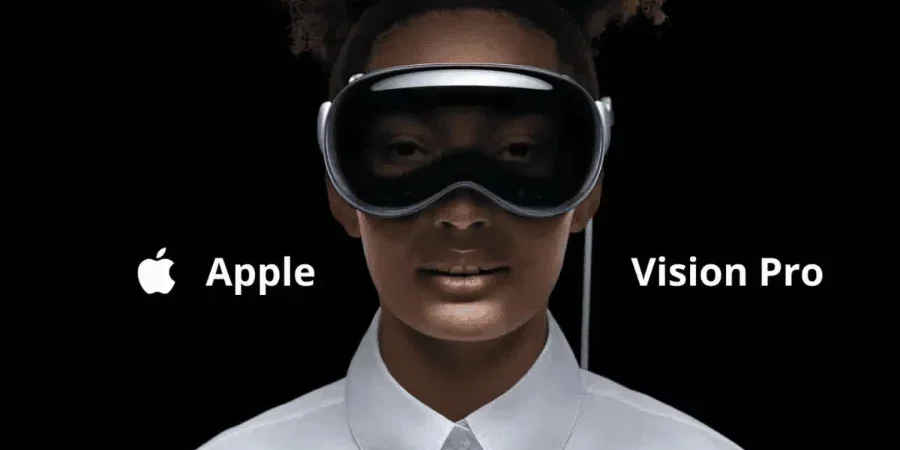
Virtual Reality (VR) and Augmented Reality (AR) have already demonstrated immense potential across various fields, from education to entertainment. In the future, we can expect even more immersive and interactive VR and AR experiences.
Beyond 2030, Virtual Reality (VR) and Augmented Reality (AR) technologies will transcend entertainment and gaming. They’ll become vital tools in education, professional training, and even healthcare. With more affordable devices and richer content, VR and AR will transform how we learn, work, and interact.
What are the benefits? In education, students could learn about history by virtually revisiting key events. Meanwhile, in entertainment, we could experience watching movies as if we were truly inside them. This will unlock new opportunities for both learning and leisure.
-
Biotechnology and Personalized Healthcare
Biotechnology will unlock the doors to more personalized and effective healthcare. We can anticipate the development of more advanced gene therapies, faster diagnostic tools, and treatments tailored to individual genetic profiles. All of this will lead to improved health outcomes and longer lives.
Conclusion: These technology predictions for the coming decade indicate that we are on the cusp of monumental change. From AI to biotechnology, these innovations will not only alter how we live but also impact every facet of society. By understanding and preparing for these shifts, we can harness future technology for the common good.
With all the ongoing advancements, the future of technology looks bright and full of promise. From smarter artificial intelligence to wider adoption of renewable energy, each innovation will bring significant changes to our way of life. As we head into 2030 and beyond, we need to remain open to change and ready to adapt to emerging technologies.
So, get ready for a future brimming with limitless possibilities!
Final Thoughts: Technological progress never halts, and each decade ushers in new innovations and challenges. By staying abreast of trends and preparing for the future, we can ensure we not only survive but thrive in an ever-evolving world.
Note: This article is based on current predictions and trends, and readers are encouraged to always update their information through reliable sources.