Embracing a New Era of Renewable Energy
The closure of the UK’s last coal-fired power plant at the end of September 2024 marks a historic milestone in the global fight for net-zero emissions. This move isn’t just about turning a new page; it’s paving the way for renewable energy innovation: transforming former coal plant sites into giant batteries for storing green energy. This initiative, aligned with the UK’s decarbonization goals, offers a smart solution to the challenge of disused fossil fuel infrastructure.
From Coal Plant to Giant Battery: The Ratcliffe-on-Soar Transformation
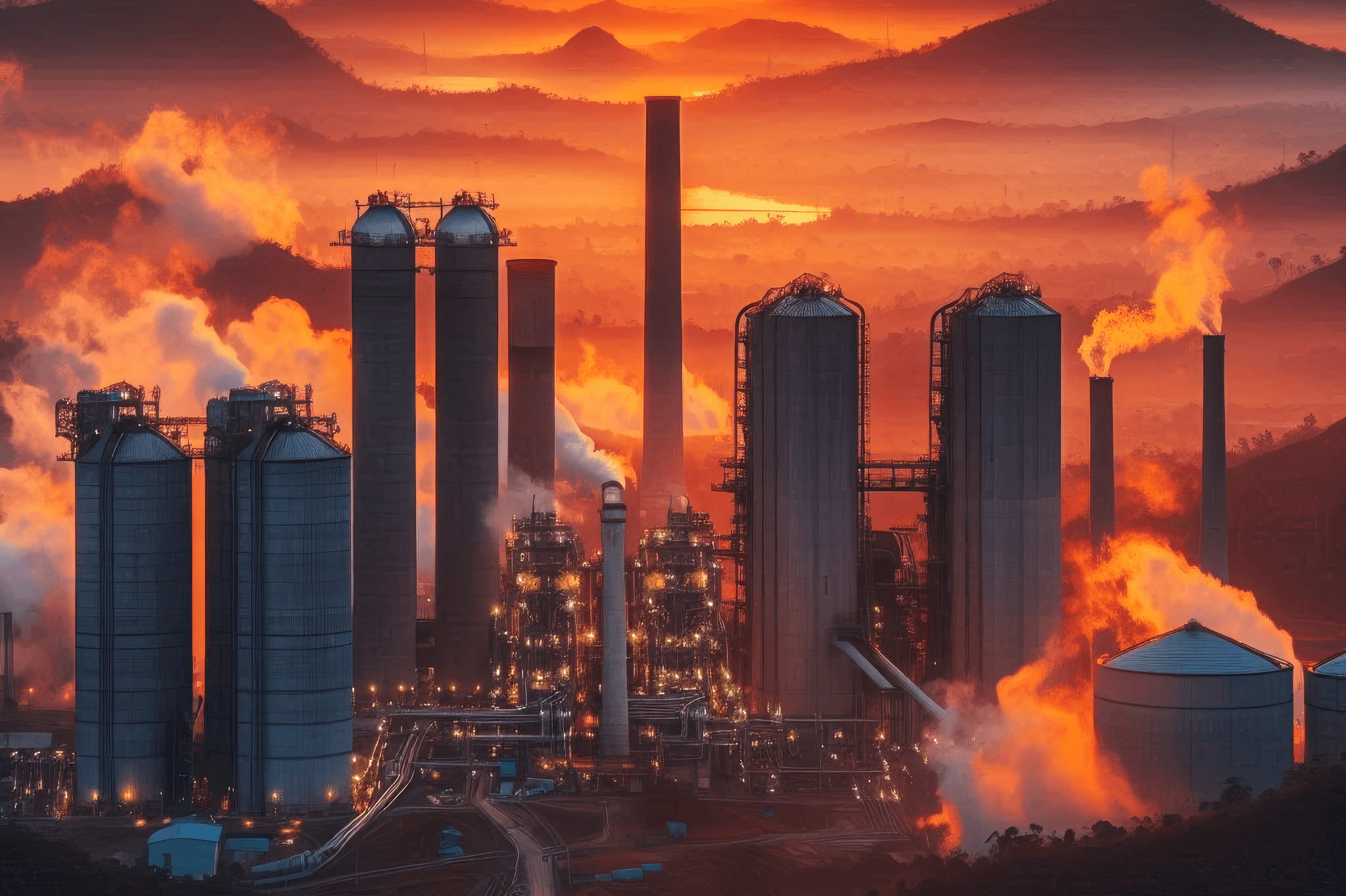
Ratcliffe-on-Soar, Nottinghamshire, was home to the UK’s last coal-fired power plant, and it’s now becoming a symbol of a massive transformation. An installation that dominated the rural landscape with its colossal cooling towers and chimneys since 1967 has officially ceased operations. Over the next two years, the site will undergo a phased demolition, but the key question remains: how can this infrastructure be repurposed for the clean energy era?
This power plant, once the backbone of British industry, is now slated to transform into a renewable energy storage battery or even a site for experimental technologies like fusion reactors. By converting facilities that previously relied on coal into energy storage batteries, the UK is paving the way for maintaining a stable energy supply from the renewable sources now dominating its grid.
The Challenge of Renewable Energy Storage
Renewable energy sources like wind and solar offer significant advantages: they’re clean, affordable, and carbon-emission-free. However, their weather-dependent nature means they aren’t always stable. For instance, solar power is only available during daylight hours, while wind power can fluctuate.
This presents a major challenge for countries increasingly reliant on renewable sources for most of their electricity. Unlike fossil fuel plants that can be throttled up or down on demand, renewable energy generators require efficient storage systems. Battery Energy Storage Systems (BESS) are emerging as the solution, actively being developed as an alternative to store surplus electricity generated from green sources.
Battery Energy Storage Systems (BESS): The Future Solution
Transforming old power plant sites like Ferrybridge in West Yorkshire into BESS facilities is a visionary move. After being dormant for nearly a century, this site will now boast a 150-megawatt (MW) battery capacity, enough to power 250,000 homes. Construction of this battery installation began in 2023 and is projected to be completed and operational by early 2024.
BESS makes an ideal choice because these locations are already connected to the main electricity grid. This means BESS is expected to effectively address the issue of limited green energy supply during specific periods, such as nighttime or when wind speeds are low. Heather Donald from SSE Renewables emphasizes, "Utilizing former coal power plant sites for batteries is an effective way to leverage existing infrastructure."
More Giant Battery Projects
The UK is targeting net-zero emissions by 2050, but achieving this will require many more BESS projects like Ferrybridge. In 2023, the UK had a battery storage capacity of 4.7 gigawatts (GW), but this figure is projected to need to reach between 29 and 36 GW by 2050. Otherwise, the UK might have to rely on green hydrogen as a backup energy source.
The development of BESS systems on other former coal plant sites, such as Fiddler’s Ferry in Cheshire, represents a similar project expected to boost renewable energy storage capacity. This transformation is a perfect example of how sites once associated with environmental pollution can be converted into green solutions that support energy stability.
International Initiatives: Towards a Green Future
Beyond the UK, many other countries are also shifting towards battery-based energy storage solutions. In Germany, a former coal mining complex in the Lusatia region has been transformed into a green energy hub, primarily utilizing batteries and hydrogen. Similarly, in Australia, the Liddell Power Station in New South Wales, once coal-fired, is now transitioning into a 500 MW battery, slated for operation by 2025.
A similar move is underway in Nevada, USA, where the Reid Gardner coal power plant is being repurposed into a 220 MW BESS facility. The more sites converted into green energy storage, the greater their contribution to reducing global emissions and stabilizing energy supply.
Repiw Editor’s Take: The Long Road to Emission-Free Energy
The steps taken by the UK and other nations to convert former coal power plants into giant batteries demonstrate that renewable energy transformation is not only possible but also urgently needed. Leveraging old infrastructure for green energy storage is not just a clever solution but also an efficient way to boost energy stability without harming the environment.
With projects like BESS coming online, we’re steadily moving closer to a completely emission-free future. This technology continues to evolve, offering hope that one day, electricity from renewable sources can be delivered whenever it’s needed. The UK and the world are now opening a new chapter in energy history, transforming symbols of pollution into hopeful icons of eco-friendly power.