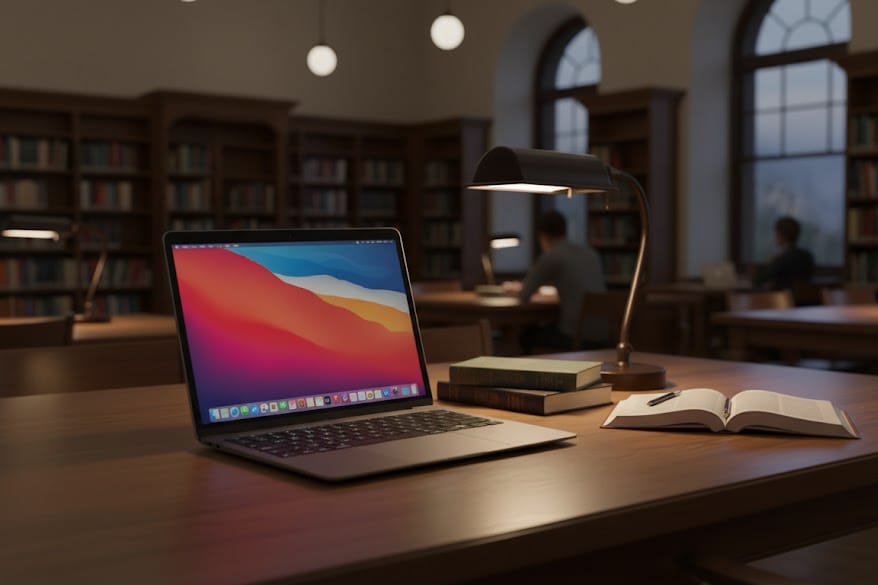

Apple, as a MacBook manufacturer, is known for its strict standards in quality and security. They develop an in-house operating system, macOS, which is optimized for their devices. This differs from the approach of other manufacturers who use third-party operating systems like Windows.
In 2020, after 15 years of collaboration with Intel, Apple decided to produce its own chips, namely Apple Silicon. The M1 processor became the first generation of Apple Silicon, replacing Intel CPUs in the Mac product line. What’s the reason behind this decision? Let’s take a look at the advantages of Apple Silicon processors on MacBooks!
- High Performance with ARM Processors
- Longer Battery Life
The most obvious advantage of MacBooks with Apple Silicon is superior performance. ARM-based chips like M1, M2, and M3 offer significantly better CPU and GPU performance compared to Intel chips. Based on the Geekbench benchmarking application, the M1 processor scored higher in both single-core and multi-core tests than the Intel i9-9980HK, the most powerful Intel processor in the 2019 MacBook Pro.
In addition to performance, Mac lines with Apple Silicon are also more efficient than Macs with Intel processors. With a different architecture, the M-series chipset has two types of processor cores: performance cores for heavy applications and efficiency cores for background processes. This dual-core architecture makes the MacBook more responsive and efficient when multitasking.
Efficient chips make Apple Silicon MacBooks have longer battery life without sacrificing performance. The M1 chip, for example, is designed to use significantly less power than Intel chips, with a TDP of only around 10 watts. In various tests, the MacBook Air M1 can last up to 18 hours on a single charge, compared to the Intel MacBook Air, which only lasts 10 hours.
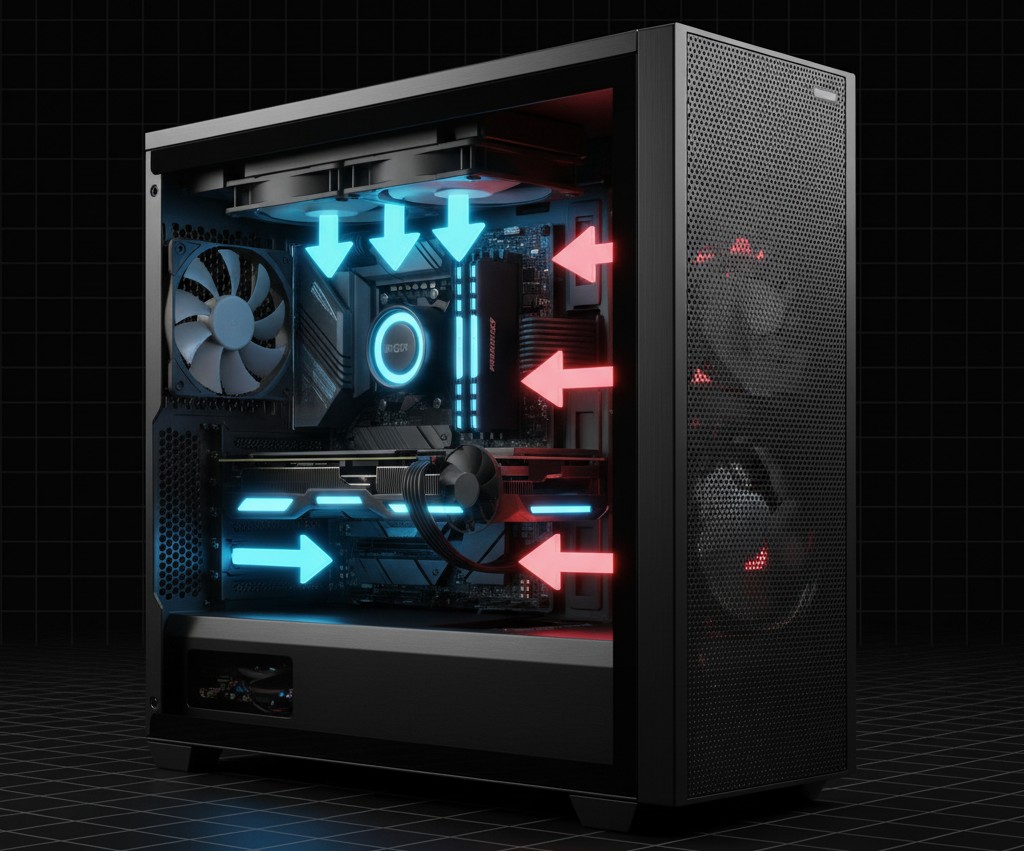
This almost doubling of battery life is very beneficial for users who often work on the go. In addition, the low power consumption makes the MacBook’s fan rarely spin fast, providing a quieter user experience and reducing the risk of overheating.
Repiw Conclusion
Apple Silicon not only brings performance improvements but also incredible efficiency to MacBooks. With longer battery life and superior performance, MacBooks with M1, M2, or M3 processors are a very attractive choice for users. The switch from Intel to Apple Silicon proves Apple’s commitment to delivering the best innovations to its users.