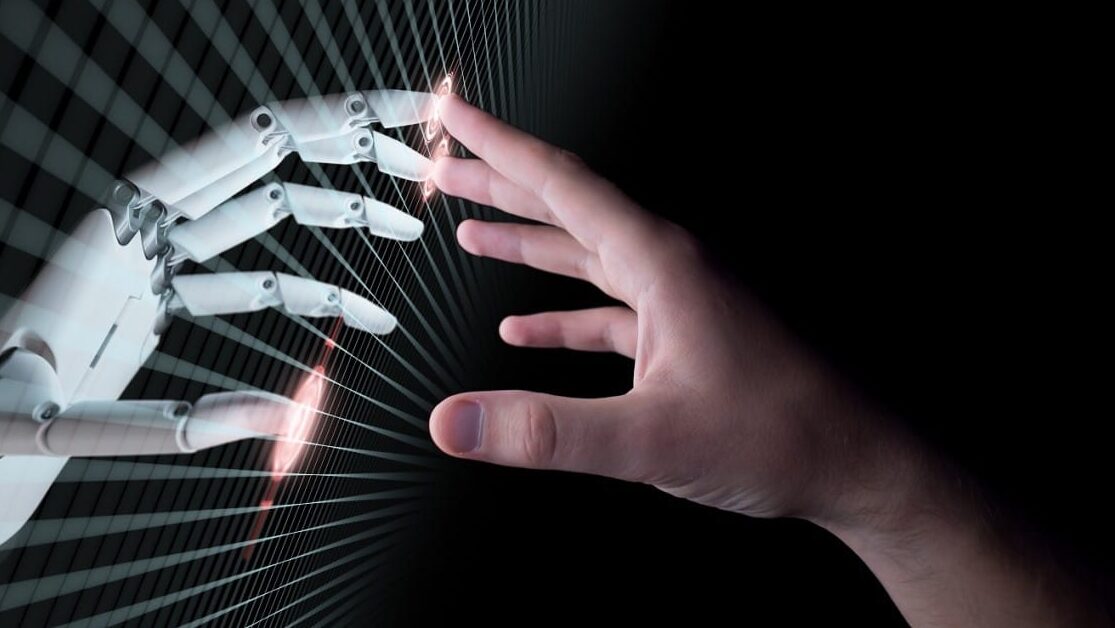
AI, or Artificial Intelligence, isn’t just about cool robots or virtual assistants that can make coffee. There’s another side that we need to dissect and think about together. So, let’s delve deep!
AI: Friend or Foe?
Imagine, AI can already beat world chess champions, create paintings that can win art contests, and even write articles that make us unaware that they weren’t written by humans. Cool? Absolutely! But… isn’t that a little scary?
Well, this is where AI ethics come in. We need to think, how far do we want AI to develop? What are the boundaries? How do we ensure AI doesn’t ‘go too far’ and instead harms humans?
Privacy Issues: When AI Knows Us Better Than We Know Ourselves
Ever talk about a vacation to Bali, and suddenly ads for plane tickets to Bali pop up on your phone? That’s AI in action! Cool, but… also creepy, right?
AI has the ability to collect and analyze our data in mind-boggling detail. From sleep patterns, shopping habits, to political preferences, AI can know everything. The question is: is our data safe? Who can access it? What if it’s misused?
Bias in AI: When Machines Become Racist
Well, this is the one that often causes a stir. AI, despite sounding neutral, can actually be biased! For example, there are cases of AI for employee recruitment that preferred male candidates over female ones. Wow!
The problem is, AI ‘learns’ from the data we give it. If the data is biased from the start (e.g., more data about male employees), the AI becomes biased too. So, how do we ensure AI can be fair and non-discriminatory?
AI and Jobs: Bye-bye Human Employees?
This is the one that makes many people nervous. AI is getting smarter, and many jobs can be taken over. From taxi drivers to accountants, no one is safe! But relax, it doesn’t mean we’re all going to be unemployed.
In fact, the challenge is how we can adapt. Maybe some jobs will disappear, but there will definitely be new jobs that have never existed before. Who knows, maybe in the future there will be a profession “AI Ethicist” or “Robot Relationship Counselor”?
Life-and-Death Decisions: When AI Becomes the Judge
Well, this is the one that makes you think hard. What if AI is given the authority to make important decisions? For example, in the fields of health or law?
There are cases where AI is used to determine who gets organ donations. Cool, but imagine if there’s a bug or data error. Those who should get it might not, or vice versa. Scary, right?
So, What Do We Do?
Already confused? Relax, this doesn’t mean we have to be afraid of AI. Instead, we need to be active in discussing and determining the direction of AI development.
Some things we can do:
- Educate ourselves about AI and its impact
- Support regulations that protect privacy and digital rights
- Demand transparency from companies that use AI
- Participate in public discussions about AI ethics
In essence, AI is like a kitchen knife. It can be a super useful tool, but it can also be dangerous if used incorrectly. Our job as humans is to ensure that AI develops in a positive direction and benefits everyone.
What do you think? Do you have any experiences or opinions about AI ethics that you want to share? Come on, share in the comments section! And don’t forget to keep following repiw.com for technology updates that are guaranteed to amaze but still be useful. Stay curious, stay ethical!